

In 2026, the YouTube monetization rewards structure. It’s not enough to post in a high-YouTube niche RPM category. You need tight content flow, smart metadata, and advertiser-friendly content from the first frame.
This guide breaks down what actually increases YouTube RPM in 2026.
1. Fix Your Metadata - Fix Your RPM
Your metadata isn’t decoration. Usually, it’s a direct signal to YouTube, advertisers, and the recommendation system.
Here’s how to make every detail work harder.
Title = Intent
Titles must grab attention and show value.
A title like:
✅ “How I Paid Off $50K Debt in 6 Months.”
attracts viewers interested in high-value niches like personal finance and credit education, which can contribute to stronger RPM performance if the audience stays engaged and watches ads.
Compared to:
❌ “My Financial Story” is too vague, has low keyword relevance, and has weak advertiser interest.
Clarity beats curiosity when it comes to monetization.
👉 Learn more about how to write video titles that attract viewers.
Description = Context
The description helps YouTube decide which ads fit. It also influences visibility in search and related videos.
Include:
- A clear 1–2 sentence summary of what the viewer will learn.
- Key phrases advertisers actually search for (e.g., “business automation,” “crypto tax tips,” “app for freelancers”)
Well-written descriptions boost discoverability and ad targeting, which can indirectly support higher RPM through stronger audience targeting and longer watch time.
Tags = Relevance
Yes, tags still matter in 2026. Not for trending but for targeting.
Use 3–6 focused tags that reflect:
- Topic intent (e.g., “affiliate marketing tips,” “budget travel hacks”).
- Audience targeting (e.g., “millennial finance,” “startup growth”).
- Advertiser language (e.g., “productivity tools,” “small business RRM”).
Avoid broad or misleading tags. They confuse the algorithm and can reduce RPM potential by bringing viewers who are less likely to watch ads or stay engaged.

2. Guide the Viewer - Guide the Revenue
RPM depends on how long viewers stay and where ads appear while they do.
The longer and smoother your viewer journey, the more chances YouTube gets to show high-value ads.
If you want to increase YouTube RPM, you need to build videos with both humans and algorithms in mind.
Step 1: Nail the First 15 Seconds
Forget the slow intros and drawn-out teases. Viewers decide in seconds.
Open with:
- A direct statement of what the video delivers.
- Visual context or a mini-preview of the outcome.
- A specific benefit (e.g., “How to double your RPM in 30 days with real data”).
This fast clarity improves watch time and signals advertiser-friendly content from the start.
👉 Discover how to improve your video intros.
Step 2: Segment Your Content
Unstructured videos confuse viewers. Meanwhile, structured ones keep them watching.
Use:
- Timestamps in the description.
- On-screen headers (e.g., “Step 1: Setup,” “Step 2: Optimization”).
- Spoken signposting (e.g, “Now let’s move to the RPM strategy that works best for finance creators…”).
This format also helps the algorithm recommend your video to more people in your YouTube niche RPM category.
Step 3: Plan Mid-Rolls With Purpose
Mid-roll ads work but only when placed right.
For videos over 8 minutes, structure your content like this:
- Build tension or curiosity before the ad.
- Place mid-rolls at natural pauses (after a step, before a reveal).
- Resolve or deliver value right after the ad.
This reduces drop-off and improves ad completion rates, two key signals that raise YouTube analytics RPM over time.
Step 4: Make CTAs Part of the Journey
Your calls-to-action (subscribe, like, check a link) should feel like a step forward, not a break.
Where to place them:
- Just after delivering a strong tip.
- During emotional high points.
- As a quick aside, rather than a scripted sales pitch.
Avoid stacking sponsors, links, and requests in the first minute. That hurts engagement and signals lower quality to both viewers and advertisers.
3. Stay Suitable - Stay Monetized
Your video is clean. But your RPM is low. Why?
YouTube’s detection system has become sharper, stricter, and fully automated. What used to be safe now risks yellow icons. And that means fewer advertisers, lower bids, and weaker YouTube monetization in 2026 performance, even in high-YouTube niche RPM categories.
What Fuins Suitability - Fast
The biggest red flags all happen in the first 30 seconds:
- Harsh or suggestive language.
- Political triggers (even in jokes or examples).
- Sound effects designed to shock.
- Overly dark, sarcastic, or aggressive tone.
This intro window shapes your video’s eligibility for monetization and your entire YouTube analytics RPM average over time.
Don’t Let Your Thumbnail Sabotage Your Payout
Ad suitability scoring doesn’t stop at your script.
If your thumbnail shows:
- Rage faces or extreme reactions.
- Violence, even in-game.
- “Clickbait red arrows” or aggressive emojis.
…your video is more likely to get limited ads regardless of the actual content.
Choose clean, clear, and topic-relevant thumbnails. Think trust, not shock.
Self-Certify
YouTube rewards honesty.
If you regularly self-certify your content as suitable and the system agrees, your “trust score” rises. This unlocks faster reviews, more ad partners, and better fill rates.
But if you mark everything “safe” when it’s clearly borderline, your channel gets flagged. That’s how some creators see RPM drop across all videos, even clean ones.
Be consistent, accurate, and transparent. It pays.
Tone Is a RPM Multiplier
Even in edgy niches like commentary or true crime, tone and language decide your ad tier.
A video titled:
- ❌ “This Idiot Lost $100K in Crypto.”
…gets flagged.
A better version:
- ✅ “How One Mistake Wiped $100K And What You Can Learn.”
It’s the same story but with advertiser-friendly content framing. The difference? Higher CPM, more placements, and trust.
Monetize before you hit publish
Need funds now? With MilX Active Funds, you can access up to 6 months of your projected YouTube monetization 2026 revenue upfront. Just clean, fast cash-flow backed by your channel’s future. Download the MilX app and try it free.
4. Raise RPM in Every Niche
Think your niche limits your CPM? It does, a lot.
Your YouTube niche RPM is flexible when you shape content that appeals to both viewers and advertisers.
You don’t need to be in finance to earn like it. Just try to frame your content for higher-value ad demand.
👉 Explore the most profitable YouTube niches.
Gaming: Turn Play Into Strategy
Raw gameplay earns the lowest rates. But when you pivot to:
- In-depth tutorials.
- Gear breakdowns.
- Game economy guides.
…you attract older audiences, more engaged viewers, and advertiser-friendly content that brands actually want to sponsor.
Think: “How I Earn Gold Fast in WoW” instead of “Let’s Play Part 87.”
Vlogging: Make Your Story Marketable
Your day-to-day life isn’t unmonetizable; it needs relevance.
Frame your content around:
- Morning routines.
- Tech you use daily.
- Budget tips and personal finance goals.
- Family-focused content (with clarity and care).
These themes lift your YouTube analytics RPM without forcing you to leave your niche.
Example: “A Day in My Life” becomes “My $12 Daily Routine That Saves Me $300/Month.” Same vlog, but more value.
Education: Build Bingeable Series
Educational content holds attention, but playlists multiply it.
Instead of standalone videos, try:
- Mini-series with episodes (e.g., “Excel Mastery: 10 Days to Pro”).
- Thematic playlists by level or topic.
- Progressive titles that suggest a journey (e.g., “Part 3: Building a Budget That Works”).
This structure increases session time, raises trust, and attracts more advertisers looking for long-form, advertiser-friendly content.
Music: Go Behind the Sound
Performance videos are great for exposure, but not for CPM.
What performs better in 2026:
- Music tutorials.
- Songwriting breakdowns.
- DAW or gear reviews.
- Explainer content on music theory.
A video titled “My Setup for Recording Vocals on a Budget” will pull in far more ad revenue than “My New Song.”
👉 See how reused music impacts your YouTube monetization.
Use Your Data, Not Assumptions
Every niche has hidden winners. You need a closer look.
Open your YouTube analytics RPM dashboard. Filter by video. Find your highest earners.
What do they have in common? Format? Topic? Title structure?
Now do more of that.
The result? A measurable increase in YouTube RPM without chasing trends or switching lanes.
Take control of your payout flow
Waiting 30–60 days for YouTube income? MilX lets you withdraw your monetization earnings whenever you want - daily, weekly, or monthly. You choose the method (bank, e-wallet, card, crypto) and currency (40+ supported). It’s free to use.
5. Use Your Analytics as an RPM Compass
You already track views. But views don’t build income; RPM does.
If you want to truly master YouTube monetization 2026, your strategy has to start with data. Your YouTube analytics RPM tab holds the answers to why some videos pay $2, and others hit $20+.
👉 Learn how to read data from YouTube Analytics.
Here’s how to read it right:
1. Find Your Top-Earning RPM Content
Sort your video list by highest CPM, not views.
Now analyze:
- What’s the topic or sub-niche?
- How is the title framed?
- What kind of hook or pacing does it use?
- Did you structure it for mid-rolls or a series format?
Chances are, your YouTube niche RPM winners share common traits. Reverse-engineer them, then replicate.
2. Target the Right Regions
Not all views pay the same. A viewer in the U.S. or Germany brings in more ad revenue than one in countries with lower advertiser demand.
In your analytics, check RPM by country. This shows where your monetization is strongest.
To pull in more high-RPM regions:
- Add English subtitles or translated captions.
- Include relevant regional terms in your tags and descriptions.
- Create content with global utility (e.g., “Remote Work Setup Under $500”).
3. Track Drop-off - and Fix It Fast
High drop-off = wasted ad slots.
Look at the audience retention graph on mid-roll-eligible videos. Where are people leaving?
- Is it before or after a mid-roll?
- Is the pacing too slow or the visuals too repetitive?
- Did you stack too many CTAs early on?
Improving retention by even 10% can unlock new mid-roll placements and higher CPMs across the board.
👉 Check out more about the key metrics for YouTube monetization.
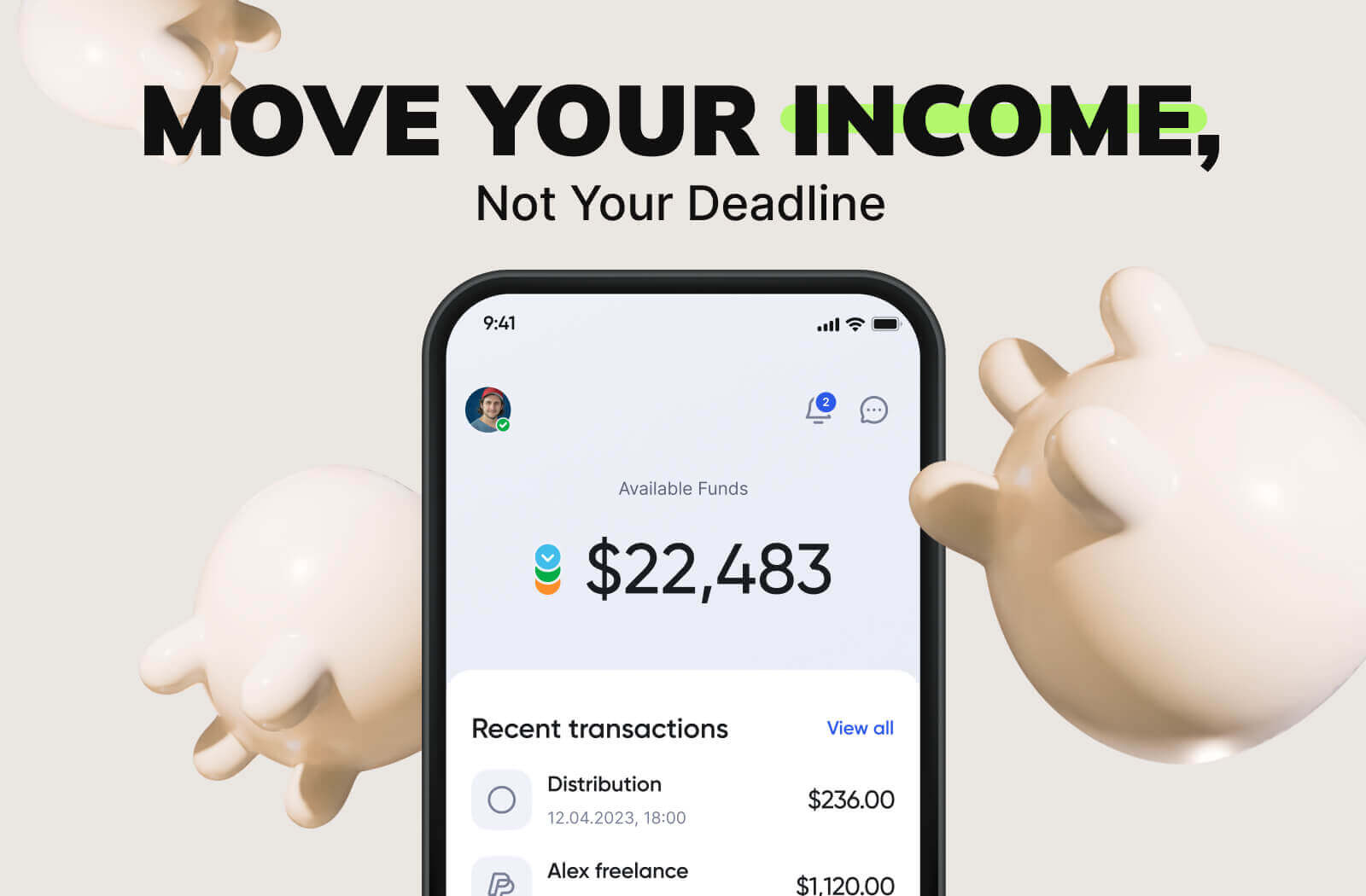
Cash Out Your RPM Wins Without the Wait
Getting a RPM boost means nothing if you’re stuck waiting 30+ days for a payout. That’s where MilX changes everything.
With MilX, your revenue is yours to move whenever and however you want.
What you get with MilX cashouts:
- Withdraw any day you choose. Daily, weekly, monthly, it’s your schedule.
- Send funds to a bank account, debit card, e-wallet, or even a crypto wallet.
- 40+ currencies. Get paid in your local currency, forget hidden FX markups or conversion delays.
👉 Read more about the MilX dashboard and features.
Creators use MilX cashouts to:
- Cover production costs mid-month.
- Pay editors or freelancers without dipping into savings.
- Reinforce cash flow without borrowing or waiting.
- Split income across wallets or currencies.
With MilX, you’re managing payouts like a business. And that puts you way ahead of the game.
👉 Join MilX and access your income on your terms.