For creators, this changes the shape of sponsorship work. Brand deals used to start with a cold email or an agency intro. Now they can start with a Gemini recommendation inside a media planner's dashboard. That shift matters whether you have 8,000 subscribers or 8 million.
How to show up in those matches, how to price your deals now that your sponsored video can become paid media, and how to keep cash moving while the net-60 invoices pile up. Let’s dive in!
From Sponsorships to Scalable Media: What Changed in 2026
The announcement on the YouTube blog spelled out a full rebuild of how brand deals happen on the platform. The highlights:
- BrandConnect is folded in. The tool now lives as YouTube Creator Partnerships inside YouTube Studio, plus Google Ads and DV360 for advertisers.
- Gemini does the matching. It reads billions of signals (audience overlap, organic brand mentions, subscriber growth patterns) and suggests creators for specific campaign briefs.
- Creator content can be promoted as ads. With Creator Partnerships Boost, a brand can take a sponsored video and run it as a YouTube Shorts ad or an in-stream ad across Google's inventory.
- 24 tools plug in via API. CreatorIQ, StreamElements, Sprout Social, Later, and Meltwater now pull richer deal data through the expanded Creator Partnerships API.
- The numbers are real. Creator ad spend hit $37B in 2025, up 26% year-over-year. 83% of Gen Z viewers prefer creators to traditional shows. 78% say YouTube has the most trustworthy creators on the internet.
🔍 Big picture: media buying and influencer marketing used to sit in different rooms, with different software and different budgets. Now they sit at the same desk, in the same campaign management console.
👉 Learn more about how much sponsors really pay.
How Gemini AI Decides Who Gets the Brief
Google was vague about the exact weights. Reading between the lines of the YouTube blog, Gemini AI appears to weigh four signal types when a brand drops a campaign brief into the system.
- Audience similarity. If a brand's existing buyers watch cooking and travel content, Gemini hunts for creators whose audience profiles match that behavior, even if the creator doesn't make cooking content directly. Lookalike modeling, run by machine learning, on a 3-million-creator pool.
- Organic brand mentions. The system scans your videos, titles, descriptions, and comments for the product categories you talk about. A kitchenware brand sees every creator who has mentioned cast iron, air fryers, or sous vide gear, even in passing.
- Subscriber growth patterns. Gemini looks at how your channel is trending, not just how big it is. A 40K channel growing 15% month-over-month can beat a 400K channel on a plateau. Momentum is a stronger signal than raw size.
- Campaign performance history. If you've done brand deals before (reported through the platform), Gemini reads what worked. Watch-through, click-through, lift. This is why your very next brand deal matters more than you think; the platform learns from it.
🔍 Put plainly: Gemini wants to know if your audience is the kind of audience a brand wants to reach, and whether you've driven action before. That is the entire game.
Why Audience Trust Is Now a Paid Metric
That 78% trust figure from the YouTube research is the engine under all of this. Audience trust used to be a soft metric that creators talked about on podcasts. It is now the pattern Gemini is trying to reproduce at scale.
Brands are not paying a premium for reach alone; they can buy reach cheaper with pre-roll on streaming services. They are paying for the implicit endorsement that a trusted creator carries. The creator ecosystem is valuable to Google precisely because it delivers what display advertising cannot: a human voice that a viewer already believes.
Gen Z engagement is the canary here. 83% of Gen Z viewers prefer creators over traditional shows, and those viewers spend the most time on Shorts. If your channel skews Gen Z, the market you can reach in 2026 is wider than it was last year.
🎯 Practical takeaway: guard the trust. Over-accepting deals that do not fit your audience will show up in your churn rate, your comment sentiment, and eventually in how Gemini ranks you. One bad deal can cost you three good ones.
Get Paid Before the Invoice Clears
Brand deals often sit in net-30 or net-60 queues. With MilX Active Funds, you can tap up to six months of future YouTube revenue right now. No credit check. Your future AdSense fuels today's shoot.
Creator Partnerships Boost: What It Means for Your Rate Card
Creator Partnerships Boost lets brands take your sponsored video, lift a cut, and run it as paid media, YouTube Shorts ads, and in-stream ads across the Google network.
One early test: skin care brand Supergoop ran a campaign with creator Liza Koshy. Her sponsored content, boosted as ads, produced a reported 93% lift for Glowscreen SPF.
For creators, the math on sponsorship pricing shifts. Your deliverable is no longer a one-and-done video on your channel. It is a piece of paid media that can live inside Google Ads for months, accruing views that the brand is buying. You want to price and negotiate usage rights before you sign.
👉 Discover how to get repeat sponsors on YouTube.
Four negotiation moves worth putting into your next contract:
- Split the organic fee from the paid media fee. Ask for a base rate for the video going live on your channel, and a second rate for any Boost amplification. Some agencies will not mention Boost unless you ask.
- Cap the usage window. A 90-day cap on Boost runs is reasonable. Open-ended usage is a trap, especially if your rate does not climb with spend.
- Scope the ad formats. Spell out exactly which formats the brand can Boost you into: Shorts ads only, or in-stream too, or TrueView. Each one changes the reach and the value of the deal.
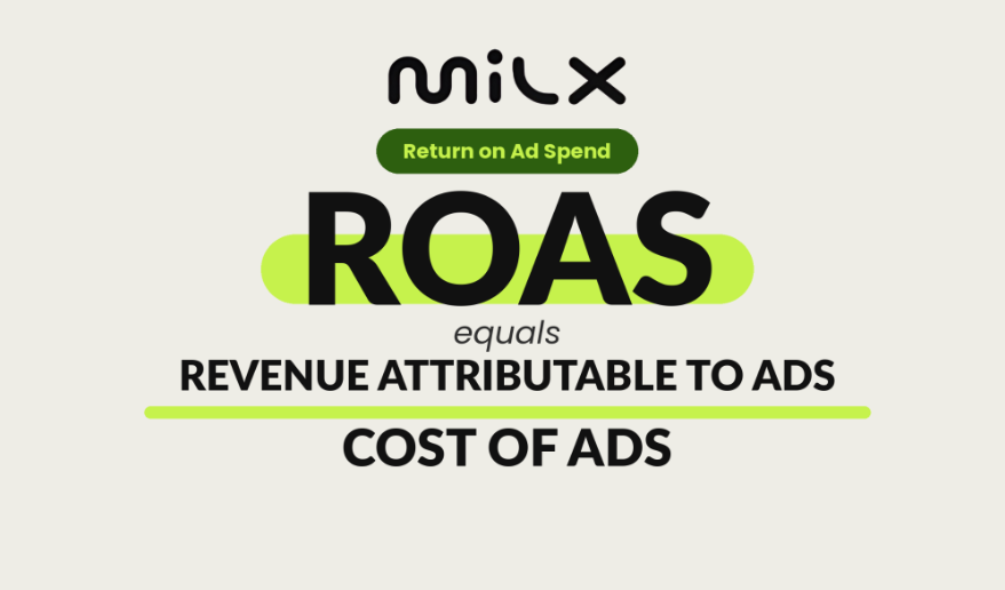
- Demand the performance data. If the brand measures your content against its media benchmark, ask for the numbers after the flight ends. That ROAS (Return on Advertising Spend) data is fuel for your next pitch, and it feeds Gemini's record of your track history.
Where Creators Are Making Mistakes Right Now
Four patterns worth calling out since the March announcement:
Treating Creator Partnerships Like an Old-School Directory
This is a matching engine that feeds Google Ads. Being "listed" is not the same as being ranked. Creators without the right metadata, the right past-deal history, and the right Shorts cadence will sit invisible next to smaller creators who pitched the system correctly.
Ignoring Shorts
Shorts ads are one of the fastest-growing parts of the YouTube inventory. Refusing to post Shorts now tells Gemini you do not want Shorts ad matches. That is a choice, but make it consciously, because you are closing off a real slice of the 2026 brand budget.
Over-Indexing On Big Agencies
Under the old system, having an MCN or a talent agent was the main door to premium deals. Under the new system, Gemini matches directly to creators inside YouTube Studio. Your agent is now one path among several, not the only door.
Pricing by Views Instead of Business Outcomes
Brands approach you with ROI (Return on Investment) and ROAS targets from day one. If your rate card still reads "price per 1,000 views," it looks dated next to creators who quote in cost per action or cost per qualified viewer. The market wants business outcomes.
👉 Explore why some YouTube sponsorships lower your RPM.
4 Quick Moves to Become Matchable This Week
Here is where most creators freeze. The reflex is to optimize for subscriber count. Gemini AI does not care about that in isolation. Four practical moves shift your visibility inside the new system:
1: Clean Up Your YouTube Studio Metadata
Titles, descriptions, tags, and chapter markers are the first thing Gemini reads. If your cooking channel never uses the words "budget," "dorm," or "college," but your audience skews 18–22 years old, you are invisible to budget-student-food brands. Update descriptions on your top 15 videos this week. Add chapter markers.
2: Mention Products by Name In Your Content
Not sponsored mentions, organic ones. If you bought a Ninja Creami for yourself and you love it, say "Ninja Creami" by name in the video and in the caption. Gemini reads this as a brand affinity signal. Creators who vague-speak ("this new ice cream thing I bought") disappear from category searches.
3: Keep Your YPP Record Clean
YouTube Partner Program (YPP) eligibility in good standing, monetization live, no active policy strikes. The system filters brief recipients by YPP health before Gemini even runs. One copyright claim in the wrong spot can drop you off the list.
4: Log Every Past Brand Deal Through the Platform
Even old ones. The more performance data Gemini has on your past conversions, the better your future match quality. A creator with five logged deals and real ROAS data will beat a silent creator with ten undocumented ones every time.
Your Money, Your Timing
Don't wait for AdSense to clear. Pull your YouTube revenue into a bank card, PayPal, Payoneer, Zelle, PIX, GIM, or crypto wallet across 40+ currencies. MilX moves fast - under five minutes via Instant Payments, 10+ withdrawal methods, zero subscription fees.
A Creator's 30-Day Gemini Playbook
Take a hypothetical creator at the 250K-subscriber mark. Before the March update, her brand deals averaged $2,800 per integration, paid net-60.
Six weeks after she rewrote her metadata and added Shorts cutdowns, her average deal size sat around $5,400, with Boost riders on three of four deals. Nothing about her audience changed. What changed was how Gemini read her channel.
Here is the week-by-week plan, with exact moves, before-and-after examples, and contract language you can paste into your next deal.
Week 1: Rewrite 15 Video Descriptions
Pull your top 15 videos by views in YouTube Studio. Open the five highest and read the descriptions. Most creators have one-line copy that tells Gemini almost nothing about who watches or what products come up.
Before (bad): “Made some ramen. Subscribe for more!”
After (Gemini-readable): “Budget ramen upgrade for college dorms. Full cost: $3. Under 10 minutes in one pan. Products used in this video: Samyang Buldak, Kewpie mayo. Recipe and gear list below.”
The rewrite sends Gemini three signal types in one paragraph: audience (college, budget), category (cooking, dorm-friendly), and named products that can trigger brand matches.
Add chapter markers on anything over four minutes. Five markers are enough. Example:
- 0:00 What you'll eat;
- 0:45 Ingredients ($3 total);
- 2:10 Method;
- 4:30 Samyang Buldak;
- 6:45 Final taste test.
Chapter markers feed the system named moments. Brands looking for a 30-second cutdown find yours faster, and so does Boost when it is deciding which segment to run as a Shorts ad.
Week 2: Build a Shorts Cadence Off Your Back Catalog
You need a system for cutting them from what already exists. Aim for two to three Shorts per week, all sourced from your last eight long-form videos.
Rules that work in practice:
- Lift a direct quote. Pull the exact spoken line that made the moment interesting. Do not paraphrase it into something that sounds more polished.
- Pin the hook in the first three seconds. Open with the result (the cooked meal, the final shot, the price tag reveal). The setup goes after the hook, not before it.
- Keep on-screen text consistent across your Shorts. Same font, same placement, same color. Gemini reads Shorts with consistent visual signatures as a coherent brand.
- Link back to the long-form in the caption. Drive watch time on both ends of the funnel.
A realistic cadence:
- Monday long-form,
- Tuesday Short #1 (cutdown from Monday),
- Thursday Short #2 (cutdown from a three-week-old video),
- Saturday Short #3 (a Q&A response shot).
Three Shorts a week, zero new filming days.
Week 3: Rebuild Your Media Kit for Gemini AI
Most media kits are designed for a human brand manager. In 2026, the first reader is a machine, and the second is a planner working inside Google Ads. Build for both.
The new version should include:
- A screenshot of your YouTube Studio demographics. Age, geography, gender. This is the pattern Gemini pattern-matches against brand buyer profiles.
- A list of three to six product categories you have mentioned organically. Each has a linked timestamp to the exact moment in the video.
- Three past deals with measurable outcomes. One line each: brand, objective, result (lift, click-through, ROAS). Real numbers beat adjectives.
- One sentence on what briefs you turn down. Example: "No alcohol, no fast fashion, no weight-loss products." This line filters out mismatched outreach and signals discipline.
Week 4: Your First Pitch Response Under the New System
When Gemini surfaces your channel for a brief, the outreach lands in your YouTube Studio inbox or in your email from the brand's agency. Most creators respond with a rate and a generic pitch. Five short paragraphs beat that:
- One line acknowledging the brief's goal in the brand's own language.
- A deliverable proposal that names a format (long-form integration plus one Shorts cutdown, or two Shorts only).
- A clean split: base fee for the deliverables, separate fee for Boost paid media usage.
- One concrete past result at a similar scale ("our last skincare integration drove a 2.1% CTR on the description link").
- A deadline you can realistically hit.
Skip the “I love your brand” intro. Planners reading 40 pitches that morning are scanning for a fit, not for a love letter.
Contract Language Worth Asking For
Most standard creator contracts from 2025 were not written with Boost in mind. Four paste-ready clauses to bring to your next negotiation:
- "Boost grant is capped at 90 days from the video publish date. Any extension is renegotiated at a 20% base-fee increase per 30-day block."
- "Paid media rights are limited to YouTube Shorts and in-stream ads on the Google network. No display, no social cross-posting, no external placement without a separate fee."
- "Brand provides final campaign performance data (lift, ROAS, CTR, completion rate) within 10 business days of flight end."
- "Creator retains first right of refusal on any Boost extension beyond the cap."
Agencies will not always volunteer these. They also rarely refuse when asked, especially once the deal is hot. Print them, save them, and paste them in.
The Daily 15 Minutes That Compounds
Fifteen minutes a day on Gemini-readiness beats four hours on Saturday. What that looks like in practice:
- Five minutes scanning community comments for product mentions you can lift into future descriptions.
- Five minutes in YouTube Studio analytics, looking at the one Short that is outperforming, so you can queue a follow-up.
- Five minutes on your media kit: add a screenshot, update a data point, refresh a past-deal outcome.
Thirty days of this and your Gemini-visible surface area roughly doubles without a single new shoot day on the calendar.
The Money Math Nobody Shows You
Run the numbers on a realistic scenario. A mid-tier creator with a 250K channel signs a $4,000 sponsorship. Standard deliverable: one long-form integration and a Shorts cutdown.
Under the old model, $4,000 hits the creator's account after a contract period, often net 30 or net 60. Campaign ends. Done.
Under the new model with Boost, the same $4,000 integration fee, but the brand spends another $25,000 running your Shorts cutdown as paid ads across the Google Ads network. Your one-shot day is now driving millions of paid impressions. If you negotiated paid media rights correctly, another $3,000 to $8,000 can land in the contract as usage.
That is a 75% to 200% lift in deal value for the same day of filming. The ROI conversation with brands is different in 2026 because the same creator content is doing two jobs: organic reach and paid distribution.
The catch: most of this money is locked in net-30 or net-60 payment terms. You shoot in April. You see the cash in June. Meanwhile, your editor wants to be paid this week, and the rental house wants a deposit by Friday.
Move Your Money Like You Move Your Content
The new Creator Partnerships ecosystem rewards creators who can act fast, greenlight a shoot, hire a freelancer, and ship a cutdown inside a two-week campaign window.
Slow cash kills that speed.
This is where MilX fits. We built banking for creators who get paid unevenly from YouTube, from brand deals, and from across platforms.
What the toolkit looks like in practice:
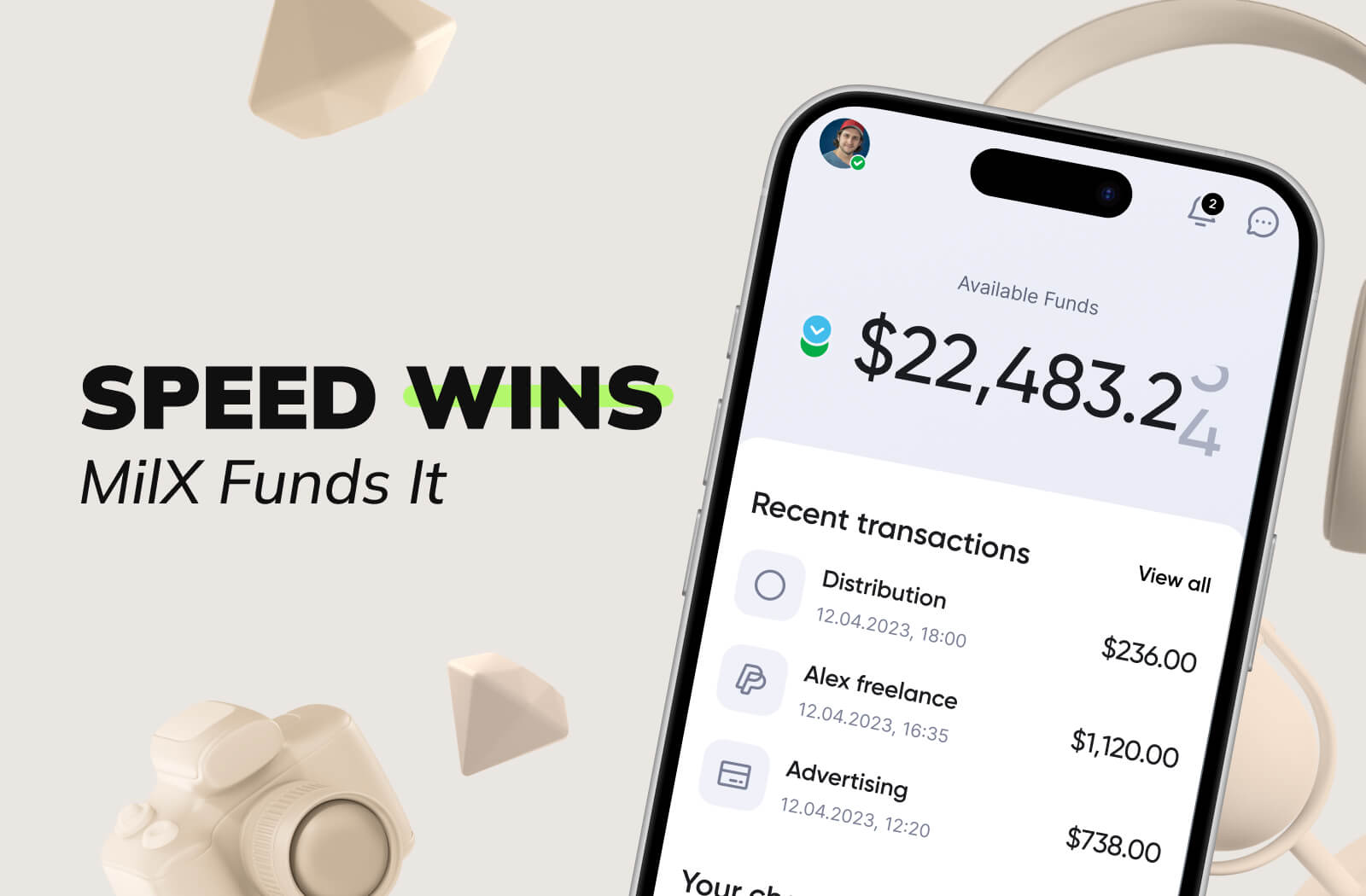
- Active Funds. Pull up to six months of your future YouTube AdSense income upfront. No credit check, no impact on your credit score. Repayment is automatic at 5% monthly from future income, with daily fees starting at 0.33%.
- Advance Funds. Access AdSense earnings that have been made but not yet paid out by YouTube - up to 2 months ahead of the standard payout date.
- Instant Payments. Money moves in under five minutes via bank card, crypto, PayPal, PIX, or GIM.
- Free P2P between MilX users. Pay your editor, thumbnail designer, or producer in under five minutes for $0 if they also have MilX.
- 40+ currencies, 10+ payout methods. Bank card, bank transfer, PayPal, Payoneer, Zelle, PIX, GIM, BTC, USDT, USDC. Pick whichever fits your country.
- No monthly fees, no credit checks. Free to open. MSB license under Canada's Fintrac. Bank-grade encryption, 2FA, and regular security audits.
👉 5,000+ creators already use MilX day-to-day, be the one of them.