
Many creators notice the pattern only after it’s too late. Views stay stable, engagement looks normal, but AdSense drops. This often happens after poorly structured YouTube brand integration.
Let’s look at real creator stories and what they teach about brand deals and YouTube monetization.
The Hidden Cost of “Good” Sponsorships
Brand deals often look like the easiest win in creator monetization.
You get fast money, clear terms, and predictable payouts without waiting for monthly AdSense cycles.
On the surface, it feels like pure upside. No algorithm stress, RPM swings, or seasonal drops.
But sponsorships change how YouTube evaluates a video.
Even small structural changes matter. A longer integration, a different intro, or a shift in pacing can reshape viewer behavior in ways creators don’t immediately notice.
That’s when RPM starts slipping. Just enough to blur into normal fluctuations.
👉 Learn more about why your RPM can drop.
The dangerous part is subtlety.
- Disclosure rules and transparency requirements. Creators must clearly disclose paid partnerships. YouTube requires the “Includes paid promotion” label when a video contains sponsored content, product placement, or endorsements. Failing to disclose partnerships can violate both YouTube policies and advertising regulations.
- Ad placement and ad density inside videos. Too many ads or poorly placed integrations can negatively affect viewer behavior. When sponsorship segments feel intrusive, audiences often skip, abandon the video, or reduce watch time - which can impact retention and algorithm performance.
- Brand legality under YouTube advertising policies. Not every brand can legally appear in YouTube content. Promotions related to gambling, certain financial services, adult products, weapons, or regulated substances may violate YouTube advertising policies depending on the format and jurisdiction.
- Compliance with advertiser-friendly content guidelines
Even when the brand itself is legal, the way it is presented matters. If a sponsored segment includes misleading claims, unsafe products, or sensitive categories, the video may lose monetization under advertiser-friendly guidelines. - Audience trust and authenticity risks If sponsored content feels forced or unrelated to the channel’s niche, viewers may perceive the integration as inauthentic. This can reduce engagement, subscriber loyalty, and long-term channel performance.
Stories of Failed Sponsorship Integrations and Brand Deal Scandals
Here are real-world sponsorship mistakes creators have faced and why they still matter today.
The Machinima Xbox Stealth Sponsorship Scandal (2015)
One of the earliest major sponsorship controversies on YouTube involved Machinima, a large creator network that paid influencers to promote the Xbox One without proper disclosure. Viewers were not clearly informed that the content was sponsored, which later sparked concerns about deceptive advertising practices.
The case drew regulatory attention in the United States, and the FTC ruled the campaign misleading due to the lack of transparency.
Machinima faced legal consequences, and the situation became a landmark example of how undisclosed brand deals can trigger not just backlash, but real regulatory risk for creators and partners alike.
RiceGum and the MysteryBrand Backlash (2019)
In early 2019, YouTuber RiceGum faced backlash after promoting MysteryBrand, a site selling digital “mystery boxes” that promised real-life prizes.
Many users later claimed they never received their winnings, and the platform was widely accused online of being a scam. The controversy grew because other creators, including Jake Paul, had also promoted the site, but criticism intensified after RiceGum’s video went viral.
RiceGum responded by saying others had advertised the platform earlier without backlash and tried to calm viewers by apologizing and sharing Amazon gift card codes. However, many users reported that the codes had expired, which made the situation worse.
The case is now often cited as a reminder that promoting the wrong sponsor can quickly damage audience trust, even if the creator isn’t directly responsible for the product.
The Korean Hidden Ads Scandal (2020)
In 2020, a major controversy hit the Korean YouTube scene when dozens of popular creators were exposed for running hidden ads without proper disclosure.
Many influencers had promoted products as personal recommendations while secretly being paid, which sparked massive public backlash once viewers discovered the truth.
The fallout was severe and immediate. Some creators reportedly lost up to 96% of their views within a month, while others paused uploads or disappeared from the platform entirely.
The scandal became one of the clearest examples of how undisclosed sponsorships can destroy audience trust almost overnight.
The Honey Affiliate Controversy (2024–2025)
In 2024–2025, the popular browser extension Honey, widely promoted by YouTubers for years, faced backlash after creator MegaLag accused it of redirecting affiliate commissions.
The claim was that Honey sometimes replaced creators’ affiliate links with its own, potentially diverting earnings away from the influencers who originally drove the sale.
The allegations triggered lawsuits, user backlash, and a wave of criticism from creators who felt misled by a partner they had trusted.
Even without a direct scandal involving individual YouTubers, the situation highlighted a key risk: promoting the wrong partner can harm creator income and credibility, even when the integration seems safe at first.
Typical Cases You Should Keep in Mind
These cases show how sponsorships can go wrong faster than expected and how to avoid bad scenarios.
Case #1: The Over-Branded Intro
Here is another example. A finance creator started front-loading every video with sponsor-first messaging. Logo on screen, direct CTA, and a discount code, all before the actual hook.
From a deal perspective, everything looked solid. Strong rates, reliable partners, and consistent brand deals for YouTube income.
But audience behavior began to shift quietly. Average view duration started falling, even though the content quality stayed the same.
The problem wasn’t obvious at first. Views still came in. Click-through rates stayed healthy. But retention in the first 30–60 seconds dropped noticeably.
RPM slowly declined, even though finance CPM benchmarks remained high across the niche.
The solution is structural, not financial.
Instead of leading with branding, they led with relevance. Grab attention, deliver insight, then introduce the partner naturally.
The lesson is simple but powerful. Viewers need a reason to stay before they see a brand.
Attention comes first, monetization follows.
Your YouTube income shouldn’t be stuck in slow cycles
With MilX, you decide when and how you cash out, anytime, across 40+ currencies and flexible payout methods.
Case #2: The “Too Many Sponsors” Problem
A gaming creator decided to maximize short-term revenue by stacking multiple sponsors into each video. One integration at the start, another mid-roll, and a final one in the outro …
From a sponsorship perspective, the strategy worked.
Total brand deals, YouTube income increased, and deals kept coming in.
But AdSense performance moved in the opposite direction. RPM dropped sharply across a few uploads, even though views and niche demand stayed stable.
The issue wasn’t technical; it was psychological. Videos began to feel more like ad containers than content experiences. Audience perception shifted first. Comments hinted at fatigue, and subtle drops appeared in engagement signals.
👉 Explore how to build trust on YouTube.
When trust softens, retention often follows. Viewers skip, skim, or leave earlier than usual, which weakens session depth.
The fix required restraint, not optimization. The creator simplified the structure and limited integrations to one sponsor per video. Instead of stacking deals, they focused on stronger, more organic placements. Fewer sponsors, better storytelling, smoother transitions.
Case #3: Scripted Reads That Killed Authenticity
A creator started following strict brand scripts for every sponsorship. Each integration sounded polished but with the same tone, same pacing, same delivery structure.
At first, it felt professional. Clean messaging and clear talking points. Easy approvals from sponsors.
But audience response slowly changed. Engagement began to dip, and comments started sounding more skeptical than supportive.
Nothing dramatic, just small signals. More viewers are skipping integrations. Fewer meaningful interactions under sponsored segments.
YouTube reads those subtle signals closely.
When interaction quality drops, the platform often reassesses perceived content value.
Weaker engagement can translate into softer ad performance. RPM started slipping even though upload consistency and niche demand stayed stable.
The solution was about restoring authenticity inside the integration itself.
The creator renegotiated deal terms and asked for more creative freedom. Less rigid scripts, more natural delivery, and personalized storytelling. Integrations became part of the content again instead of sounding like external inserts. The tone matched the channel’s voice, not a brand template.
The core lesson is simple but powerful. Authenticity is a monetization lever. When integrations feel real, monetization tends to follow.
Monetization works better when you control timing
MilX gives creators flexible access to payouts in multiple currencies, with freedom to move funds where needed.
How to Structure Brand Deals Without Hurting RPM
The best creators don’t avoid sponsorships. They approach them strategically and treat integrations as part of monetization design, not random income boosts.
Strong sponsorships don’t disrupt performance. They blend into content and support overall channel health. Here’s what consistently works in real-world creator cases.
👉 Check out these insights on how to get repeat sponsors on YouTube.
- Start with audience flow. Every integration should follow the natural rhythm of the video. If a sponsor segment interrupts momentum, retention usually pays the price.
- Protect retention curves. After every brand deal, YouTube integration, and check analytics closely. Look at early drop-offs, mid-roll dips, and session depth.
- Align categories. Not all sponsors carry the same advertiser weight. Brands that sit in trusted, advertiser-friendly niches tend to support healthier ad ecosystems.
- Limit density. More integrations don’t always mean more total revenue. Stacking multiple sponsors often weakens viewer trust and reduces session quality.
- Negotiate creative control. Rigid scripts often break authenticity. When integrations sound forced, engagement signals soften quickly.
- Think in systems, not deals. Sponsorships shouldn’t exist in isolation. They interact with retention, ad delivery, audience trust, and algorithm signals.
👉 Discover how to do the paid collabs on YouTube.
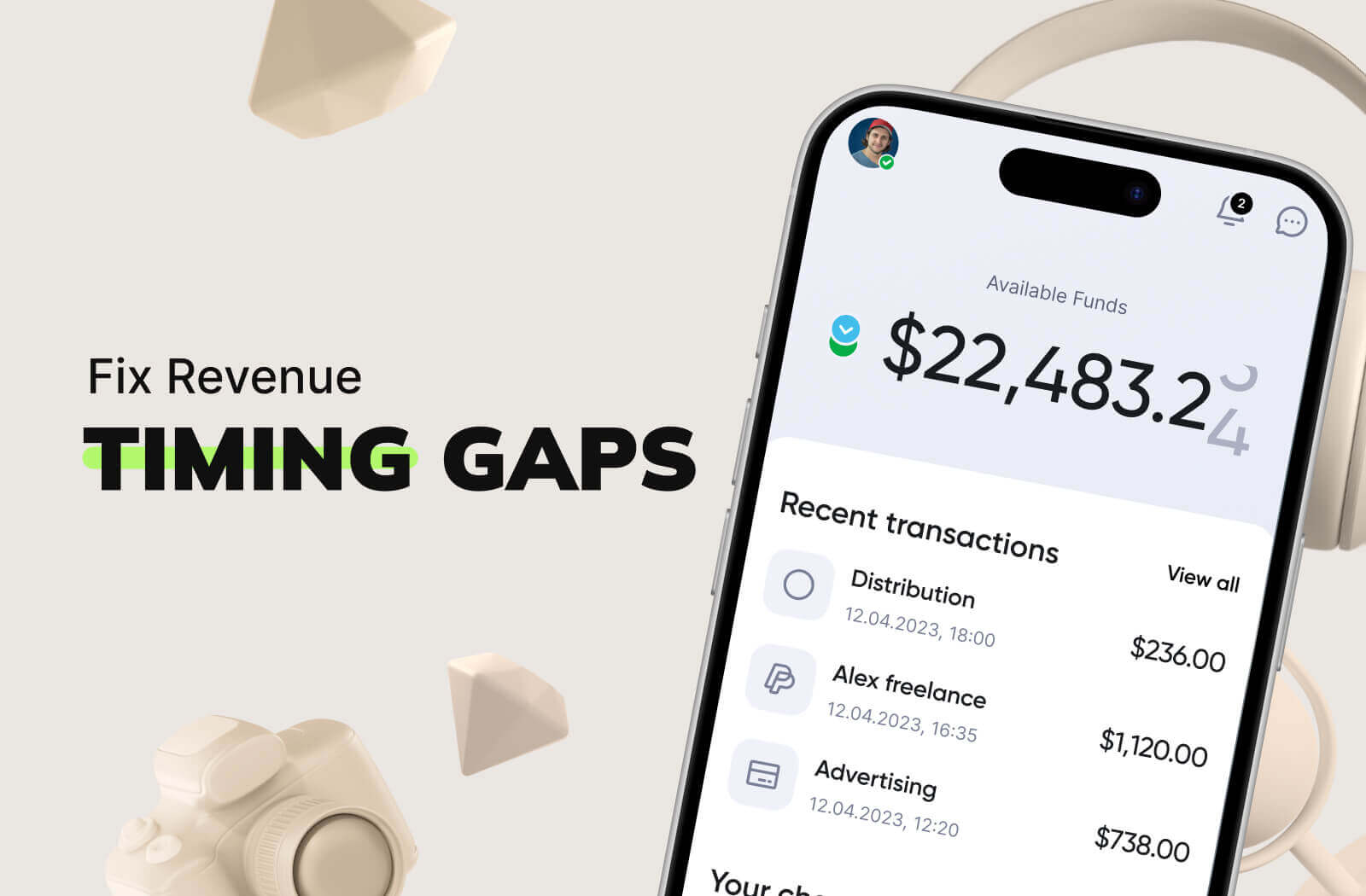
A Smarter Financial Buffer for Sponsorship Cycles
Big brand deals can distort income timing. Payments often arrive 1–3 months after the campaign, which creates revenue spikes in later months.
That’s where flexibility matters.
Tools like Active Funds from MilX help smooth those gaps. Creators can unlock part of future revenue without complex approvals or rigid structures.
Repayments adjust automatically over time.
Fees stay minimal.
MilX also supports payouts in 40+ currencies and multiple withdrawal options, including crypto.
You can even move funds to collaborators instantly when scaling production.
More than 3,000 creators already use MilX to stay flexible while growing their channels.
If you want more control over timing, not just totals, it’s worth checking whether your channel qualifies.
👉 Try MilX for free.