

You open YouTube Analytics, hoping for answers, but instead, you get overwhelmed by charts, graphs, and numbers that don’t seem to explain anything. One video has high impressions but no clicks. Another has views but no subs. RPM looks good… but the payout doesn’t. What’s going on?
YouTube Analytics doesn’t lie, but it can mislead if you’re reading it the wrong way. The real power isn’t just in the data. It’s in knowing which metrics matter, how they connect, and how to act on them.
In this guide, we’ll break down exactly how to read your analytics with a clear, strategic eye, so you can fix what’s broken, scale what works, and finally start turning data into real revenue.
YouTube Impressions vs. Views: Know the Difference
Let’s break it down:
Impressions mean YouTube is showing your thumbnail.
Views mean someone actually clicked it.
So if you’re getting thousands of impressions but barely any views, you’re losing the audience at the front door. That’s a low YouTube click-through rate (CTR), and it kills your growth before it even begins.
Here’s how to fix it:
Open YouTube Studio > Analytics > Reach.
If your CTR is under 3%, your thumbnail/title combo isn’t doing its job.
We’ve seen it across channels: pastel designs that fade into the feed, titles that are too generic, or cluttered thumbnails with no visual hook. But even small changes can double your CTR.
Test this:
- Use bold contrast to stand out;
- Add curiosity (“What happened next will shock you…”);
- Show emotion (faces beat graphics almost every time);
- Keep text under 7 words;
- Try A/B testing with multiple thumbnail versions.
CTR is the gateway to everything else, views, watch time, revenue. If they’re not clicking, they’re not watching. And if they’re not watching, YouTube stops promoting.
Don’t waste great content on weak packaging.
Fix the click first, and the rest can follow.
People Click, Then Leave? Watch Retention
Getting clicks is great, but if 70% of viewers leave in the first 30 seconds, your video has a retention problem. And the first place to look? Your intro.
YouTube viewers are fast to judge. If your video doesn’t immediately deliver what the thumbnail and title promised, they’ll bounce, and fast.
Here’s how to fix it:
Head to Engagement > Audience Retention.
Look for the first major drop-off point. Rewatch that moment.
- Is the intro slow or vague?
- Are you talking too much before getting to the point?
- Does it feel disconnected from the title?
Cut the fluff. Add a sharper hook.
Tease the payoff up front. Use tension, surprise, or a bold statement to pull them in.
Think:
- “This myth fooled millions…”
- “Most creators get this wrong - here’s why.”
- “Here’s what YouTube doesn’t tell you…”
Hook first. Explain later.
Retention is one of the strongest signals for the algorithm.
If viewers stay, YouTube keeps pushing.
If they leave early, your video sinks, no matter how good the rest is.
Cash Now, Not Later
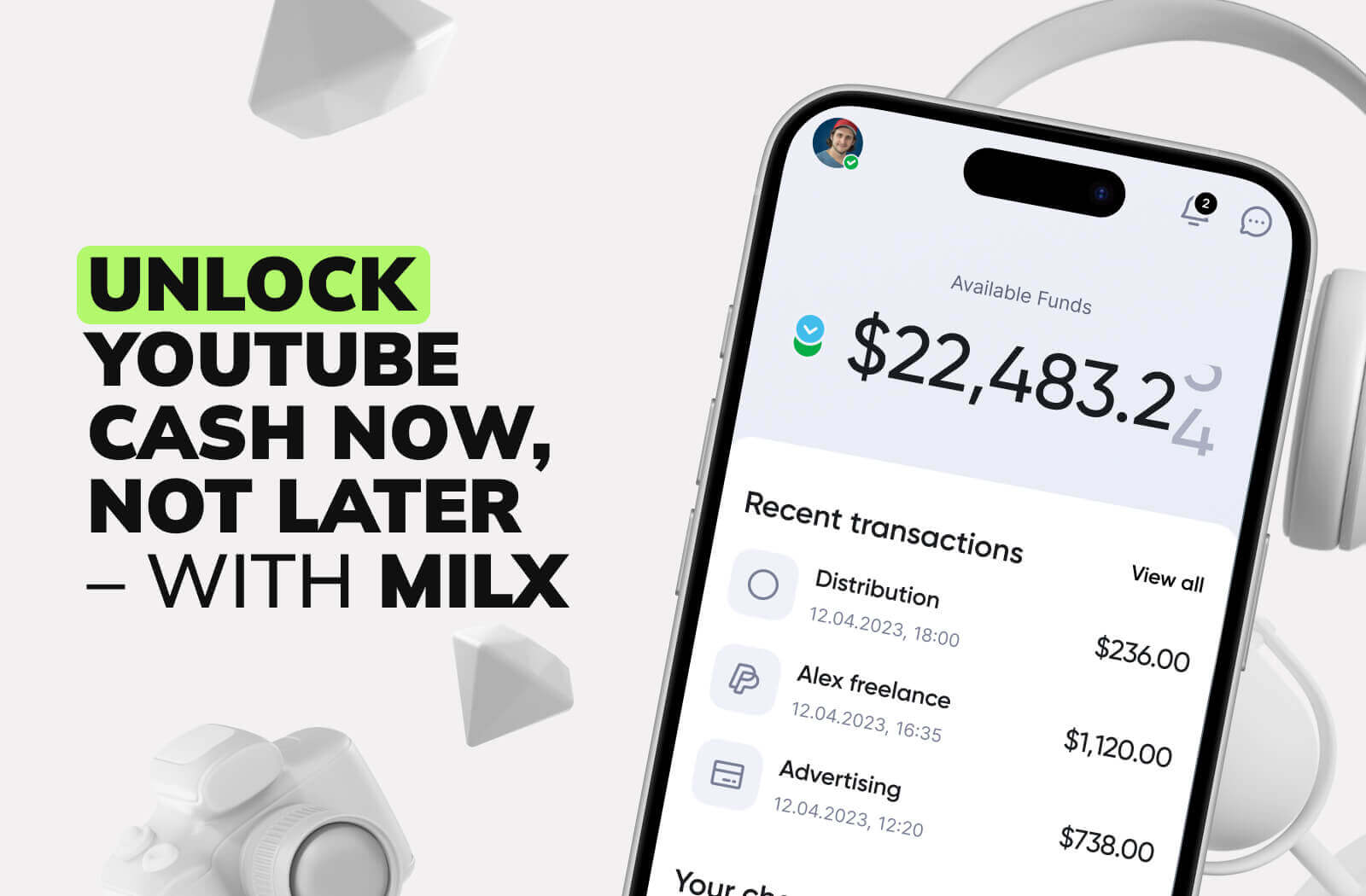
Sick of waiting 30+ days for your YouTube payout? With MilX, you can access up to 6 months of your future YouTube income upfront. No delays. No paperwork. Just your money, on your terms. It’s not a loan - it’s the smarter way to fund content, gear, or growth today. Try MilX for free and see if your channel qualifies.
No Views? Blame the Topic, Not the Edit
You edited for hours. The pacing’s tight. The visuals are clean. But… zero traffic?
The problem might not be your video, it might be your topic: title and description.
YouTube can’t recommend what no one’s searching for. Even the best-made video won’t perform if the subject is too niche or irrelevant to current viewer interest.
Fix it:
Go to YouTube Studio > Analytics > Research.
Type in your topic.
Are people actually searching for it?
If not, it’s time to reframe the angle.
Example:
- Instead of “How to fix a Mi A1 bootloop” (too narrow);
- Try “5 Fixes for Any Android Bootloop” (broader, more searchable);
Viewers search problems. Titles should solve them.
Choose topics with proven demand, not just personal interest.
That’s how you turn good videos into discoverable ones.
YouTube Isn’t Promoting You? Check Traffic Sources
If most of your views come from external links, like Instagram, Discord, or direct shares, YouTube’s algorithm isn’t doing much for you. And that’s a problem.
Why? Because real growth happens when YouTube promotes you through Browse and Suggested.
Fix it:
Go to Analytics > Traffic Sources.
If less than 30% of views are from Browse or Suggested, it’s time to rethink your structure.
Here’s what helps:
- Use end screens that guide viewers to your next video;
- Build playlists around themes or formats;
- Create video series to keep people watching episode after episode;
- Link your own videos in cards and pinned comments.
The more sessions you extend, the more YouTube sees you as binge-worthy, and that’s when the algorithm starts working for you.
No internal flow = no algorithm push.
Fix your content structure, and YouTube will follow.
No Stress. Just Progress
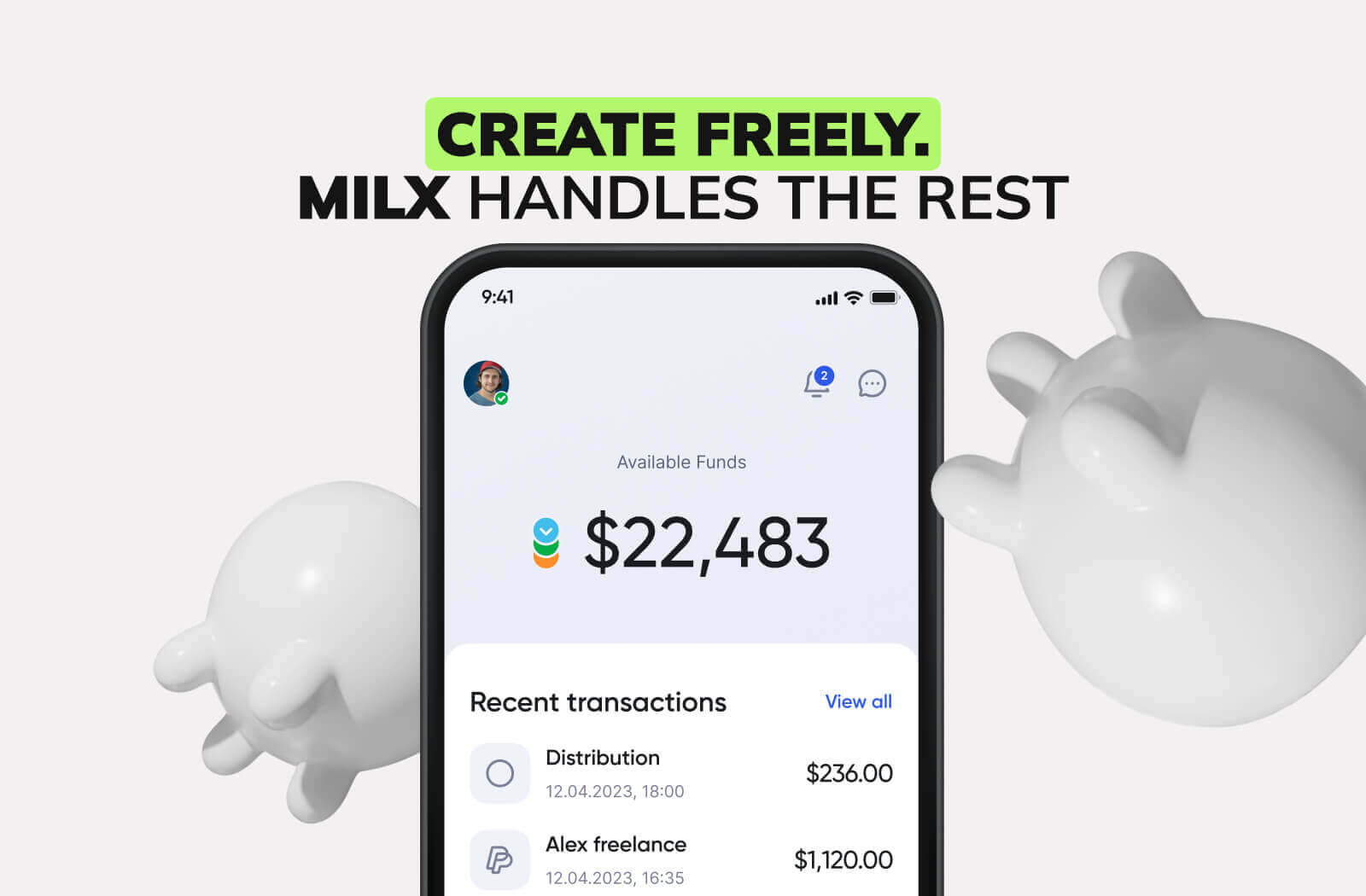
MilX makes monetization smooth. Automatic 5% monthly repayment from future income means you never have to worry about budgeting or tracking. You focus on creating - MilX handles the rest. Simple, smart, and pressure-free.
Lots of Views, No Subs
So your views are climbing, but your subscriber count stays flat.
That means you’re not converting attention into loyalty.
Viewers liked the video, but saw no reason to stay.
Fix it: Go to Advanced Mode > Subscribers per video.
See which videos actually drive subs, and which don’t. Then ask:
- Did you ask them to subscribe?
- Did you tease what’s coming next?
- Are you building a journey, or just posting one-offs?
Even a small mid-video CTA like “Next episode’s even crazier, don’t miss it” can double your sub rate.
And yes, the old trick still works:
Add ?sub_confirmation=1 to your channel link for an instant subscribe prompt.
Make it clear why they should stay, and they will.
Returning Viewers: The Real MVPs
First-time views are great. But returning viewers are the ones who actually grow your channel.
They watch early, engage more, and signal to YouTube that your content is worth recommending.
If you’re not building that audience, you’re leaving growth (and revenue) on the table.
Fix it: Go to Analytics > Audience > Returning Viewers.
If the graph shows under 5–10%, your content lacks continuity.
Start thinking in series, not one-offs:
- “Part 2 drops next week”;
- “Episode 3 coming Friday”;
- “Next, we test something even crazier…”.
Keep them coming back, and YouTube will push your videos harder.
Retention builds trust. Consistency builds loyalty.
Together, they build income.
Session Time: It’s Not Just About You
YouTube doesn’t just care about your video, it cares about what happens after it.
If viewers watch and immediately leave the platform, your video ends the session.
That’s a signal YouTube doesn’t like.
Your job is to extend the session.
Fix it:
- Add end screens that lead to your next video;
- Pin a comment linking to a playlist or series;
- Use hooks like “Next video’s even crazier - watch it here”;
- Think of your content as a binge loop, not a dead end.
Longer sessions mean higher algorithm trust, more visibility, and more ad revenue.
Keep them watching, and YouTube will keep recommending you.
Are You Testing or Guessing?
When a video underperforms, most creators hit panic mode. New title. New thumbnail. New intro. All at once.
That’s not strategy, that’s guessing. And guessing kills growth.
The fix is to test strategically. One variable at a time. Track the result. Repeat.
Here’s what to measure:
- CTR > Do people click?
- Retention > Do they stay?
- Subs per view > Do they care enough to follow?
- Suggested/Browse traffic > Is YouTube picking it up?
Real example:
One creator tested 4 thumbnails for the same video.
The version with bold text and a close-up face earned 3x more clicks. Same content. Just better packaging.
No need to guess what works, let the data show you.
Test, learn, grow. That’s how smart creators scale.

YouTube RPM vs. CPM: What Really Pays You?
Let’s clear up one of the most confusing YouTube metrics.
CPM is what advertisers are willing to pay per 1,000 views.
RPM is what you actually earn, after YouTube takes its cut. It includes ads, memberships, Super Chats, and even YouTube Premium revenue.
So while CPM looks nice on paper, RPM is your real income. That’s the number that matters when you’re tracking growth.
Pro tip:
Go to Advanced Mode > Revenue. Filter by RPM, not CPM.
You might be surprised, some videos with high views can have low RPM if the audience isn’t valuable to advertisers.
Want to boost RPM?
- Target Tier 1 countries with translations of subtitles, metadata, and dubs (US, UK, CA, AUS);
- Create content brands want to advertise on: think finance, tech, productivity, or education;
- Avoid content that’s borderline or risky, it can tank ad rates.
Bottom line: CPM is vanity. RPM is reality.
Focus on the metric that pays you, not the one that flatters.

One Last Fix: Your Cash Flow
You’ve spotted what’s holding your videos back. Maybe it’s weak thumbnails. Maybe it’s editing. Maybe it’s time to launch a new series. But real improvements often need real resources.
That’s what MilX is for.
Instead of waiting for monthly payouts, MilX lets you unlock up to 6 months of your future YouTube earnings upfront. No banks. No credit checks. No stress.
It’s not a loan. It’s your money, on your schedule.
With MilX, creators stay in control:
- Automatic 5% repayment from future revenue;
- Minimal daily fees starting at just 0.33%;
- Withdraw in 40+ currencies, including crypto;
- 10+ payout methods: card, wallet, bank, or crypto;
- Free peer-to-peer transfers to editors or collaborators.
So whether you're investing in better content, running ads, or hiring help - MilX gives you the financial freedom to move fast, without the debt.
Over 3,100 creators already use MilX to fund smarter decisions and scale faster.
Try MilX for free and see if your channel qualifies for the upfront cash.
No more delays. No more limits. Just growth.