


The short answer: not exactly.
Adding a new language does not reset the YouTube algorithm. But it can change the signals that drive distribution, watch time, and revenue.
And in 2026, that difference matters. Because a smart YouTube localization strategy can unlock entirely new audiences and new ad markets. Let’s unpack how this works.
Multi-Audio Tracks Changed Global YouTube Growth
For years, going global meant one painful choice.
Creators had to launch separate language channels.
That meant: different uploads, different audiences, and split algorithm signals.
Then YouTube introduced multi-language audio tracks.
Now one video can contain several dubbed versions. Viewers automatically hear the language closest to their device settings.
The system works like this:
- One video.
- Multiple audio tracks.
- One global distribution signal.
Instead of dividing views across ten uploads, everything accumulates on a single video.
This changes how the algorithm measures performance.
If a video performs well in several languages, it gains stronger signals for watch time, viewer satisfaction, and global relevance.
And that can significantly increase recommendations.
The opposite is also possible. If you upload low-quality audio tracks, this can weaken your signal and drag the channel down. Learn how to avoid this.

Does Adding a New Language Reset Monetization?
Technically, no.
The monetization system does not reset simply because a new audio track appears.
Your video keeps its existing views, watch history, engagement data, and algorithm ranking.
But something else changes.
Your audience composition expands. And that affects revenue.
YouTube monetization depends heavily on viewer location. Advertisers bid differently depending on the country and language.
That’s where CPM by country YouTube becomes critical.
👉 Learn which countries have the highest CPM rate.
Example:
- US CPM may reach $10–$25.
- Germany may reach $15–$30.
- India might sit closer to $1–$3.
If your video suddenly reaches viewers in multiple markets, the monetization mix shifts.
So, the algorithm didn't reset. But your revenue model changed.
How to Calculate Your Revenue From Multi-Audio Tracks
As of now, there isn’t a single "magic button" that shows you exactly how many dollars each specific audio track earned.
To see the real impact on your bank account, you have to do a little detective work.
You can use a specific Revenue Formula to estimate these earnings:
Step 1: Identify Your Market Value (CPMs)
Go to YouTube Analytics > Geography. Add the CPM metric to your view and export the data. This tells you exactly what advertisers are willing to pay for 1,000 views in each specific country where your dubbed content is playing.
Step 2: Isolate Your Dubbed Audience (MLA Views)
In the same Geography tab, apply a filter for Audio Track. Select the specific language you want to analyze (e.g., Spanish or French) and export those view counts.
Step 3: Run the Numbers
Now, match the CPM from the specific country to the views generated by that audio track.
The Formula: > (MLA Views / 1,000) × Country CPM = Estimated Gross Revenue
Keep in mind that this number represents the gross ad spend. YouTube takes its cut, so your actual take-home pay is typically 55% of this total.
Your YouTube earnings, on your schedule
Your YouTube income does not have to sit locked inside monthly payout cycles. MilX gives creators full control over their earnings. Withdraw revenue anytime in more than forty currencies and send it to a bank account, card, e-wallet, or crypto wallet.
How Language Affects YouTube RPM
Creators often notice this when comparing analytics.
Two viewers watch the same video:
- One viewer watches from Germany.
- Another watches from Indonesia.
The views count the same. But the revenue does not. 💰
This is why many creators track YouTube RPM by language.
👉 Discover why smart creators track RPM, not just views.
Different languages attract audiences from different ad markets. Thus, a Spanish dub might unlock audiences in Spain, Mexico, Argentina, and Chile.
A German dub targets a smaller but high-value advertising region.
Meanwhile, Hindi or Indonesian versions may generate massive traffic volumes.
Each language opens a new monetization environment.
And when those audiences accumulate on the same video through multi-audio tracks, the algorithm receives stronger global signals.
Why the Algorithm Pushes Dubbed Videos
YouTube does not explicitly reward language translation. But it does reward viewer satisfaction.
When people hear content in their native language:
- watch time increases;
- retention improves;
- engagement rises.
That combination sends strong signals to the recommendation system.
Research across localized channels shows something interesting. After adding multi-audio tracks, many creators see:
- higher international watch time;
- new subscriber regions;
- wider homepage recommendations.
Localization does not reset the algorithm. It feeds it better signals.
Example: A Localization Experiment
One sports entertainment channel ran a simple test.
They released an English video about football stadium seats.
Then they added a Spanish dub using YouTube’s multi-audio feature.
The result: over 1 million additional views from Spanish-speaking audiences.
Nothing about the algorithm reset. But the platform suddenly recognized that the content worked well in another language market.
This is exactly how creators start building global reach. One language opens the door. Several languages create a network effect.
Waiting for the next AdSense payout can slow production
MilX Active Funds changes that dynamic. Eligible creators can access up to six months of expected YouTube revenue ahead of schedule. That means more freedom to reinvest in editing, production, or localization while your videos are still gaining traction.
When Multi-Audio Localization Goes Wrong
Adding languages is powerful. But poor localization can damage performance.
Creators who rushed into automatic dubbing discovered a common problem: Bad dubbing reduces retention.
Viewers quickly notice when:
- voices sound robotic;
- translations feel unnatural;
- timing does not match visuals.
And retention drop-offs send negative signals to the algorithm.
Thus, automated dubbing can cause watch time to collapse compared to professionally adapted voiceovers.
In other words, localization helps the algorithm only when it improves the viewer experience.
Why Some Languages Work Better Than Others
Not every language produces the same results. Language success depends on three factors.
First: Audience size
Languages like Spanish, Hindi, and Portuguese reach massive global populations.
Second: Advertising value
Some countries have higher advertiser demand, which raises CPM levels.
Third: Content type
Some niches translate well globally: challenges, sports, science, experiments, and entertainment.
Others depend more on local culture or humor.
Understanding these variables is essential when planning a YouTube localization strategy.
So, language demand shifts depending on niche and region.

Multi-Audio vs Separate Channels
Creators now face two main approaches.
- Multi-audio tracks on one channel.
- Or fully localized channels.
Each has advantages.
Multi-audio tracks keep one channel, one analytics dashboard, and one distribution signal.
Localized channels allow deeper adaptation: local thumbnails, localized metadata and community interaction.
Some creators combine both strategies.
👉 Explore more about this hybrid approach, which outlines how creators balance global reach with local relevance.
Fast Tips for Adding a New Language Without Hurting the Algorithm
Adding a new language can unlock global growth if you do it without confusing the algorithm.
- Pick 3-5 of your top-performing videos.
- Use analytics to choose languages. Check which countries already watch your content.
- Start with two or three languages to dub those videos
- Spanish is often the easiest test market because of its global reach.
- Track retention carefully.
- If watch time drops more than 10–15%, the dubbing likely needs improvement.
- Localize more than just audio.
- Translate titles, descriptions, and thumbnails when possible.
- Pick the languages that perform best and start going global with them, dubbing your back catalog.
- And remember: localization is a long-term play.
- The algorithm learns from patterns over time.
So, once again: adding a new language does not reset the YouTube algorithm. But it does something more powerful. It introduces your content to entirely new markets.
Creators who plan their YouTube localization strategy can turn one channel into a global media platform. And in 2026, that difference separates local creators from global ones.
MilX: Finances Built for Global Creator Growth
Expanding into new languages changes your reach. But the payout cycle stays the same.
Revenue from translated audio tracks accumulates the same way as revenue from the original videos. Earnings still follow the standard YouTube payout timeline.
What changes is how creators manage that income.
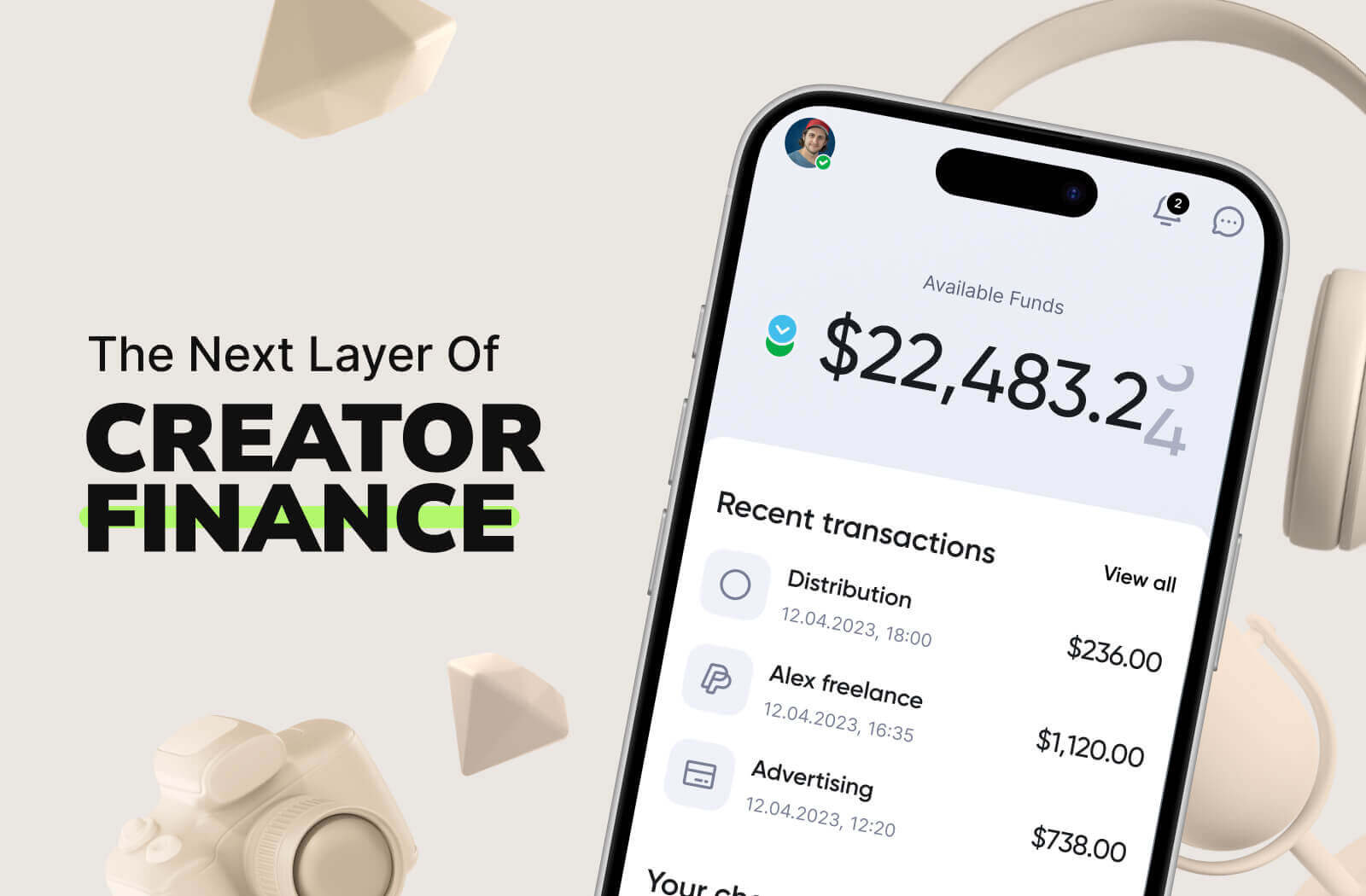
With MilX, creators can access part of their expected YouTube revenue earlier and reinvest it into localization, editing, or production instead of waiting for the next payout cycle. This helps channels scale faster across languages.
Once revenue from global views starts coming in, creators can withdraw funds in a far more flexible way. MilX supports 10+ payout methods, 40+ currencies, and withdrawals any day, which gives creators full control over how and when they access their income.
Revenue continues to follow YouTube’s structure, but creators gain the financial flexibility to reinvest and withdraw funds on their own terms.
The MilX is evolving beyond YouTube. The roadmap includes everyday payments, direct payouts for Instagram creators, support for TikTok monetization, and expansion into multi-platform revenue streams.
The goal is simple: one financial hub where creators manage income from multiple platforms in one place. The creator economy is no longer single-platform, and financial tools shouldn’t be either.
👉 Join MilX today and expand your channel worldwide.