
The good thing: YouTube news this year has been loud about fighting back. New YouTube creator tools, tighter YouTube content moderation, and fresh YouTube likeness detection powers are rolling out fast. The platform is also backing federal law to punish bad actors, not just ghost them.
If you post on YouTube, you have skin in this game: your face, voice, channel, and your income. Here is what changed, what to do about it, and how to stay paid while you sort it out.
The Deepfake Era Has a Receipt
Synthetic voices. Face swaps. Full video clones trained on a few seconds of you speaking to the camera.
For AI creators, that is both a creative tool and a target painted on the back.
A bad actor can lift your thumbnail face, splice your laugh, and publish a fake you in under an hour.
The damage is financial. A convincing fake can pull views away from your real uploads, trick brand partners, and trigger a YouTube copyright claims mess that takes weeks to untangle.
Platforms finally stopped shrugging. YouTube is building a real stack against synthetic media detection problems and wiring it into the same plumbing that already protects music and movies.
Inside YouTube's Likeness Detection Tool
YouTube's deepfake detection tool, usually called the likeness detection tool, lets eligible creators scan the platform for videos that use an AI-generated version of their face or voice.
It is built on the same fingerprinting tech behind YouTube Content ID, only retrained for faces and voice patterns.
The flow is simple on paper:
⬇️ The creator verifies their identity.
⬇️ YouTube scans.
⬇️ Matches surface in a dashboard.
✔️ The creator can request removal if the clip uses their likeness without permission, or let it ride if it is fine.
In 2025, YouTube expanded access beyond early partners. The program now reaches civic leaders, journalists, and public figures who face the sharpest deepfake risk.
For creators, it is a small but meaningful shift from hoping nobody notices to getting a receipt when someone tries.
A few things to keep in mind:
- The tool flags potential matches. A human review still decides removal.
- Parody, criticism, and clearly labeled AI content can stay up. Fair use is not dead.
- Access is rolling out in phases. Not every channel is eligible yet.
This is where AI identity verification and AI content detection meet the real world. Not perfect. But a lot better than screaming into the void.
Content ID: The Old Guard Gets an AI Upgrade
Before likeness detection, there was YouTube Content ID. For a long time, it has been the backbone of the YouTube copyright system, matching uploads against a reference library so rights holders can block, monetize, or track matching content.
Here is the quick version of how Content ID works:
- Reference files: rights holders upload a master clip of their content.
- Automated scan: every new upload gets compared against the library.
- Match policy: the rights holder chose in advance to block, monetize, or track.
- Dispute path: the uploader can contest. A human makes the final call.
Content ID was built for music and film.
Likeness detection is the logical next chapter, which is why the two tools share so much DNA.
Think of it as the YouTube content management system expanding from "who owns this song?" to "whose face is this?"
For creators, that matters because it means automated content moderation on your identity is not a bolt-on. It is wired into the same YouTube rights management engine that already handles billions of claims a year.
👉 Discover the Content ID, and it works.
Your Money, Your Rules
Cash out how you want. Bank, card, e-wallet, crypto. In 40+ currencies. With MilX, opening an account is free, and the controls stay with you.
The NO FAKES Act, Explained
Tools alone do not fix the deepfake problem. The law has to catch up. That is why YouTube publicly backs the NO FAKES Act, a bipartisan US bill aimed at non-consensual digital replicas of real people.
The short version: if someone creates or distributes a hyper-realistic AI copy of you without consent, the act gives you a federal path to hold them accountable. That includes the person who made the fake and, in many cases, the platforms that kept hosting it after being told.
Why it matters for AI content regulation on YouTube:
- It creates a consistent national rule instead of a patchwork of state laws.
- It puts real weight behind the YouTube AI policy in 2026 by giving creators a legal lever.
- It signals to the industry that identity theft protection online is not optional anymore.
YouTube has said it wants the law paired with safe harbors for good-faith moderation. Translation: platforms that act fast on reports should not get punished for hosting what they could not know was fake.
For creators, the takeaway is blunt. Soon, the answer to "can I sue the person who cloned me?" stops being "maybe in your state" and starts being "yes, here is the form."
A Creator's Identity Defense Kit
You do not need a legal team to start protecting yourself. A handful of habits cover 90% of the risk.
1. Lock The Front Door
Ninety percent of channel horror stories start with a stolen login, not a clever deepfake.
Turn on 2FA on every Google account attached to the channel, and use a hardware key or the Google prompt instead of SMS if you can. Texts get intercepted. Hardware keys do not.
Use a password manager, not a memorized password you recycle across apps.
Give every team member their own login through YouTube's permissions panel. Set the right role for each person: manager, editor, or viewer, not owner.
Run a quarterly audit: Who has access to your channel, your Google Drive, your thumbnail folder, and your email?
The old editor from two videos ago does not need the keys anymore. Most channel hijacks happen because a manager clicked a phishing link or an old collaborator kept access, not because YouTube got hacked.
2. Claim Your Likeness Early
YouTube's likeness detection program works like a catalogue. The earlier your face and voice are registered, the faster future matches get flagged. If you qualify, enroll the day you hear about it, not the week after a fake goes viral.
Complete the AI identity verification step with care. Use clean, well-lit reference footage of your face from a few angles, and clean voice samples without music underneath. Quality in, quality out. A blurry reference gives you blurry matches.
Treat enrollment as an ongoing task. If your look changes in a meaningful way, a new haircut or a big weight change aside, think glasses, beard, filming setup, update the references. The goal is to make YouTube likeness detection work for you, not against you.
3. Know How To Report
Learning how to report content on YouTube sounds basic until you need it at 2 a.m. after a fake version of you is trending. Do the homework on a calm afternoon, not in a panic.
YouTube has separate flows for different problems, and picking the right one speeds everything up:
- Privacy complaint form: the main door for a deepfake that uses your face or voice without consent. This usually covers synthetic media that is not clearly labeled as parody.
- Copyright takedown: for footage, music, or clips you own that someone copied. This is the YouTube copyright system path, not the identity one.
- Impersonation report: for fake channels pretending to be you, including stolen profile pictures and names.
- Harmful or misleading content flag: for scam ads, dangerous misinformation, and policy violations.
Bookmark the forms. Keep a simple template ready with your channel URL, the offending video URL, a short description, and any proof.
A calm, complete report moves faster than a furious, vague one.
4. Watermark Your Real Stuff
A subtle logo in the corner will not stop a skilled faker, but it raises the effort bar. It also makes video authenticity verification easier when a fan DMs you asking, "Is this really you?"
Keep the watermark small, consistent, and in the same spot across uploads. A tiny channel mark in a lower corner, a signature font in your lower third, a short sign-off you always say on camera. Repetition is what makes it a signal.
Go further if you can. Some creators now publish a "where I post" page on their own website, linking only their official channels and socials.
When a fake pops up, you have one link to send to fans and brand partners that settles the question.
5. Label Your Own AI
If you use synthetic voices, AI avatars, or face-swap effects, disclose it. YouTube now requires a label for realistic AI content in uploads, and repeated failure to declare can affect the YouTube monetization system on your channel.
Labeling is not a weakness. It is leverage. When your own videos are clearly marked, your unlabeled uploads become the obvious real ones. That makes it much easier for moderators to side with you when you report a fake.
Be honest about the gray zones, too. A scripted voice-over in your own voice is not AI. An AI-cloned voice of a celebrity reading your script is.
If a normal viewer could be confused, label it. That is also the cleaner answer when AI content regulation lands harder in your market.
6. Keep A Proof Folder
Receipts win disputes. Keep a single folder, backed up in two places, with raw footage, session files, project files, and timestamps for every upload. If someone ever argues a clip is theirs or that a deepfake is your real video, you can pull the original in minutes.
Add a simple log. Date, shoot location, people on set, original camera files, final export. Nothing fancy. A spreadsheet is fine. It is the kind of paper trail that turns a "he said, she said" fight into a one-screenshot answer.
Store copies off your main drive. A cloud backup plus an external drive is the minimum. If you ever need to argue digital identity protection in a legal or platform dispute, the creator with receipts almost always wins over the one without them.
👉 Learn more about why YouTube just suspended thousands of AI channels.
Paid Before the Views Land
Pull up to 6 months of future YouTube monetization with MilX Active Funds. Grab the MilX app and cash out on your own clock.
What Changes Under YouTube AI Policy 2026
Beyond the big-ticket tools, a few quieter shifts are worth watching.
- Labeling gets teeth. Realistic synthetic content has to be disclosed. Repeated failure affects monetization. That lands straight on the YouTube monetization system.
- Music and voice overlap. AI copyright detection is starting to treat a cloned singing voice the same way Content ID treats a sampled track. Expect more YouTube copyright detection hits on "AI covers" that use a named artist's voice.
- Moderation speeds up. AI moderation tools inside YouTube's Trust & Safety stack are flagging synthetic spam, scam ads, and impersonation at scale. That is good for the ecosystem, but it also means false positives exist. Keep your appeal paths handy.
- Civic content gets its own lane. High-risk categories, like elections and public-figure impersonation, get faster review. If your niche touches news or politics, AI content moderation will feel tighter.
Across video distribution platforms, this is quickly becoming the floor, not the ceiling. If you only build on one platform, you are also only protected by one platform. Spread your content. Spread your income.
AI Art, Voice Clones, and Where the Gray Zone Lives
Not every AI upload is a deepfake. A hand-drawn-style thumbnail that ran through an AI art detector may still be original work. A scripted parody voice that sounds vaguely like you is probably fair game under commentary rules.
The honest line is this: the tools care about consent and confusion. Could a normal viewer think the video is real? Did the person depicted say yes? If both answers are bad, expect action. If both are fine, you are usually clear.
Creators in education, commentary, and satire should read YouTube's disclosure policy once a quarter. Things move. What was allowed in early 2025 has already shifted under the broader push on social media content policies.
How to Fund Your Channel in the AI Era
Everything in the creator economy moves faster now. Trends shift overnight, production cycles shrink, and AI tools enable publishing more content in less time. Your workflow updates constantly.
AdSense does not.
It still pays on its own schedule, often weeks after the work is done. For creators trying to scale, hire support, test new formats, or invest in better production, delayed access to earnings can slow momentum at the worst time.
That is where MilX changes the equation.
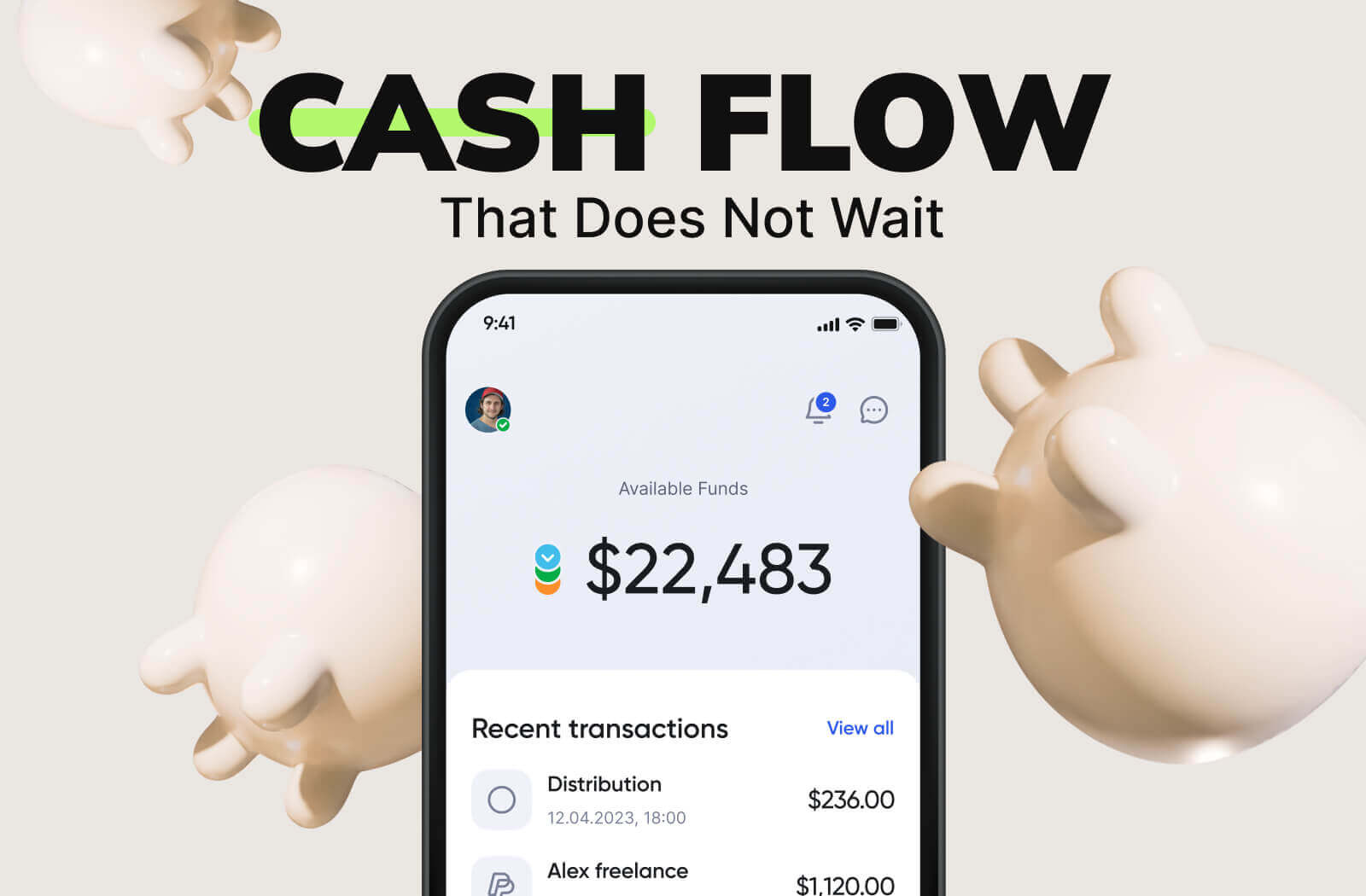
MilX helps creators optimize future earnings instead of waiting for payout cycles to catch up. If your channel is growing, your revenue should work for you before the calendar says it can.
- With Active Funds, eligible creators can access up to six months of projected AdSense revenue in advance. That means faster reinvestment into your channel, whether you need equipment, editors, ad support, or a bigger production budget.
- Repayment stays simple: just 5% monthly from future income, automatically handled in the background.
- Daily fees start at 0.33%, giving creators a flexible option to unlock growth without taking on traditional debt.
- MilX supports 10+ payout methods, including bank transfer, card, PayPal, Payoneer, BTC, USDT, USDC, PIX, and Zelle.
- With 40+ currencies available, creators can pay global teams, manage international expenses, and move funds where their business actually operates.
Need to pay collaborators? MilX-to-MilX transfers stay free, making it easier to send money to editors, designers, translators, or other team members instantly.
Over 5,000 creators already use it to stay ahead without stacking debt.
👉 Inside the MilX App: Exploring your earnings dashboard.
Check if your channel qualifies for Active Funds and cash out on your terms with MilX.
Guard the face. Guard the voice. And guard the revenue with MilX.