


A million views feels like the jackpot. Then the AdSense report lands, and the payout is smaller than your last regular upload. That gap is one of the strangest YouTube virality effects, and it catches small creators off guard every week.
This is the dark side of viral YouTube videos. A single clip can flood your channel with attention while shrinking what you take home. The damage often shows up later, in the uploads you post after the spike.
So does going viral hurt a YouTube channel? Sometimes, yes. Below, we break down what happens to your audience, your RPM, and your future income, plus how to grow without betting your paycheck on one lucky hit.
Virality Feels Like Winning. The Payout Tells a Different Story
A viral video hits every reward center you have. The view counter spins and subscribers roll in, and for a few days, you feel unstoppable.
The catch: views and revenue are not the same metric, and they rarely move together. A view is a person watching. But the revenue depends on who that person is, where they live, and whether an advertiser wants to reach them in the first place.
Reach is a popularity score. Income is a quality score. A spike can send your popularity through the roof while your money signals slip, because the crowd that arrived was never built around your content or your sponsors.
💡 Pro tip: Before you celebrate, open YouTube Analytics and put Revenue next to Views for that video. If views jumped 20x and revenue jumped 2x, that gap is your first warning that the traffic is low value.

How One Viral Video Rewrites Your Audience
Your channel has a profile. The algorithm learns who clicks and who keeps watching, then recommends your work to people who behave like them. Over months, it builds a sharp model of your ideal viewer.
A viral video can scramble that model overnight. Suddenly, your audience is filled with people who came for one clip and have zero interest in your niche. This is YouTube algorithm audience mismatch in action, and it drops your YouTube traffic quality fast.
Going viral can pull in the wrong audience, and the wrong audience sends the wrong signals. The system does not know these viewers are tourists. It sees fresh data and starts showing your work to more people who act like them.
That is the shuffle. After a spike, YouTube reshapes who sees your channel based on the flood, not your core fans. New, loosely interested subscribers water down your engagement rate, since most of them will never click another upload.
💡 Pro tip: For two weeks after a viral video, watch returning viewers and subscriber engagement, not the raw subscriber count. If returning viewers stay flat while subscribers balloon, you collected followers, not fans.
Why Your RPM Drops After a Viral Spike
RPM is your real take-home number: revenue per 1,000 views after YouTube's cut, counted across all your views, including the ones that earn nothing.
When a flood of low-value views lands, your RPM gets dragged down with it. A YouTube RPM drop after a viral video is one of the most common surprises creators report.
Three forces usually cause it:
- Geography. Advertisers pay very different rates by country. Views from the US, UK, and Canada carry premium ad prices. If your spike comes from regions with lower ad demand, like India, Brazil, or the Philippines, your average RPM falls even as views climb. A tutorial with 100,000 US views can out-cash the same video with 100,000 views from low-rate markets.
- Format. Viral reach often arrives through Shorts. Shorts pay from a shared ad pool, and the math is rough: roughly $0.05 to $0.07 per 1,000 views, versus $1 to $10 or more for long-form. A Short with two million views can pay less than a long-form video with 30,000.
- Brand safety. Drama, reactions, pranks, and cheap clickbait spread fast but spook advertisers. Lower advertiser demand means lower CPM, which pulls your RPM down even on a video everyone calls a hit.
💡 Pro tip: In YouTube Analytics, sort the viral video's revenue by geography and by Shorts vs long-form. You will usually spot one of these three culprits in under a minute.
👉 More on this: read the real reason your RPM dropped and what you can do about it, and why some viral videos bring in almost zero money.
Your Money, Your Rules
Cash out on your terms, in 40+ currencies. Send your income to a bank, card, e-wallet, or crypto. With MilX, it is free to start and fully in your hands.
Why Your Next Videos Suddenly Underperform
This is where virality does its real damage, long after the spike fades.
When you upload, YouTube tests the video on a small sample: some of your subscribers plus relevant non-subscribers, usually within the first 24 to 48 hours. If those viewers click and watch, distribution widens. If they scroll past, distribution stays narrow.
But why?
One of the biggest YouTube myths is that every subscriber is valuable in terms of long-term revenue. That’s not always the case.
A viral video can add hundreds of thousands of subscribers to a channel while making future uploads perform worse. That sounds backwards until you understand how YouTube tests videos.
The platform watches what happens next:
- Do people click?
- Do they stay?
- Do they watch another video after?
Now picture your subscriber list after a viral hit. It is padded with people who followed on impulse and never cared about your niche. When your next video reaches that sample, they do not click. Your CTR sinks. The few who do click drop off early, so retention sinks too. The algorithm reads weak early signals and limits your reach.
So, your careful, on-brand upload, the kind that used to perform, lands flat. It did not get worse. The audience judging it changed. YouTube monetization after a viral spike can stay soft for weeks, which is why earnings instability so often follows a “win.”
💡 Pro tip: For a week or two after a spike, make a follow-up on the viral topic only if it truly fits your channel. If it does not, keep serving your core audience and accept a slower stretch. Chasing the viral crowd trains the algorithm to misread you for months.
When a Viral Hit Pays Off (The Rare Cases)
Virality is not always a trap. Sometimes a spike is the best thing that happens to a channel. The difference comes down to fit.
A viral video helps when the new crowd matches your niche. If you make camera reviews and your hit is a camera review, those viewers are real prospects, and many will stay.
It also helps when you have somewhere to send people. A strong pinned comment, a sharp end screen, and a clear “watch this next” can turn a slice of the flood into regulars before they drift off.
And it helps in monetizable niches. If your spike lands in finance, software, or product reviews, even casual viewers carry decent ad value, so your RPM holds up better than it would in a low-rate category.
Get Paid Before the Next View Lands
Tap into up to 6 months of future YouTube revenue today with MilX Active Funds. Try the free MilX app and cash out on your own terms.
What You Can Do With a Viral Spike
The window is narrow. Here's what matters in the first five days.
Redirect the flood before it drifts. The moment a video starts climbing, swap its end screen to your best on-brand video — your most representative one. Add a pinned comment that works as a channel trailer in text: who you are, what you make, why the new viewer should stay. You have one shot to introduce yourself to the flood before they leave forever.
Post a follow-up within five days. YouTube retains context from a performing video for roughly a week. A follow-up posted inside that window gets distribution lifted by association — the algorithm connects it to what just worked. After the window closes, that lift disappears. If the viral topic has any real connection to your niche, make the follow-up your top priority.
Don't post something unrelated in that window. Publishing an off-topic video while the algorithm still has your viral video in active context wastes the momentum on content that can't connect to what just performed. Wait until the follow-up is ready or the window has closed.
Flood the zone with niche content in weeks two through four. The co-watch cluster your viral video pulled you into will normalize faster the more on-niche signals you generate. Three to four tightly on-topic videos in rapid succession give the algorithm new data to update your channel's model. "Post normally and accept a slower stretch" is the passive version of this advice. The active version is: outpace the bad data before it settles.
💡 Pro tip: Think of your subscriber pool after a spike like a diluted solution. The only way to bring the concentration back up is to add more of the real thing, fast. Every on-niche video you post is a step toward normalizing your seed audience.
The Psychology Trap That Costs More Than the Spike
Virality changes psychology before it changes finances.
A creator sees:
- millions of views,
- massive subscriber growth,
- comments exploding,
- friends suddenly paying attention,
and their brain starts treating the spike as permanent.
This is where creators accidentally build businesses around temporary momentum.
The dangerous part: AdSense payments arrive late.
The money often lands:
- 30,
- 45,
- sometimes 60 days after the views.
So creators emotionally spend future money before they understand whether the growth was sustainable.
Example:
A creator has:
- one viral month,
- earns far more than usual,
- assumes the trajectory will continue.
They:
- hire editors,
- rent a studio,
- upgrade gear,
- increase production budgets,
- outsource thumbnails,
- commit to recurring expenses.
Two months later:
- traffic normalizes,
- RPM falls,
- uploads stop performing at viral levels.
The business suddenly has “viral-sized expenses” attached to a normal-sized channel. This happens constantly on YouTube because virality creates the illusion of stability.
The Smarter Way to Ride a Spike: MilX Active Funds
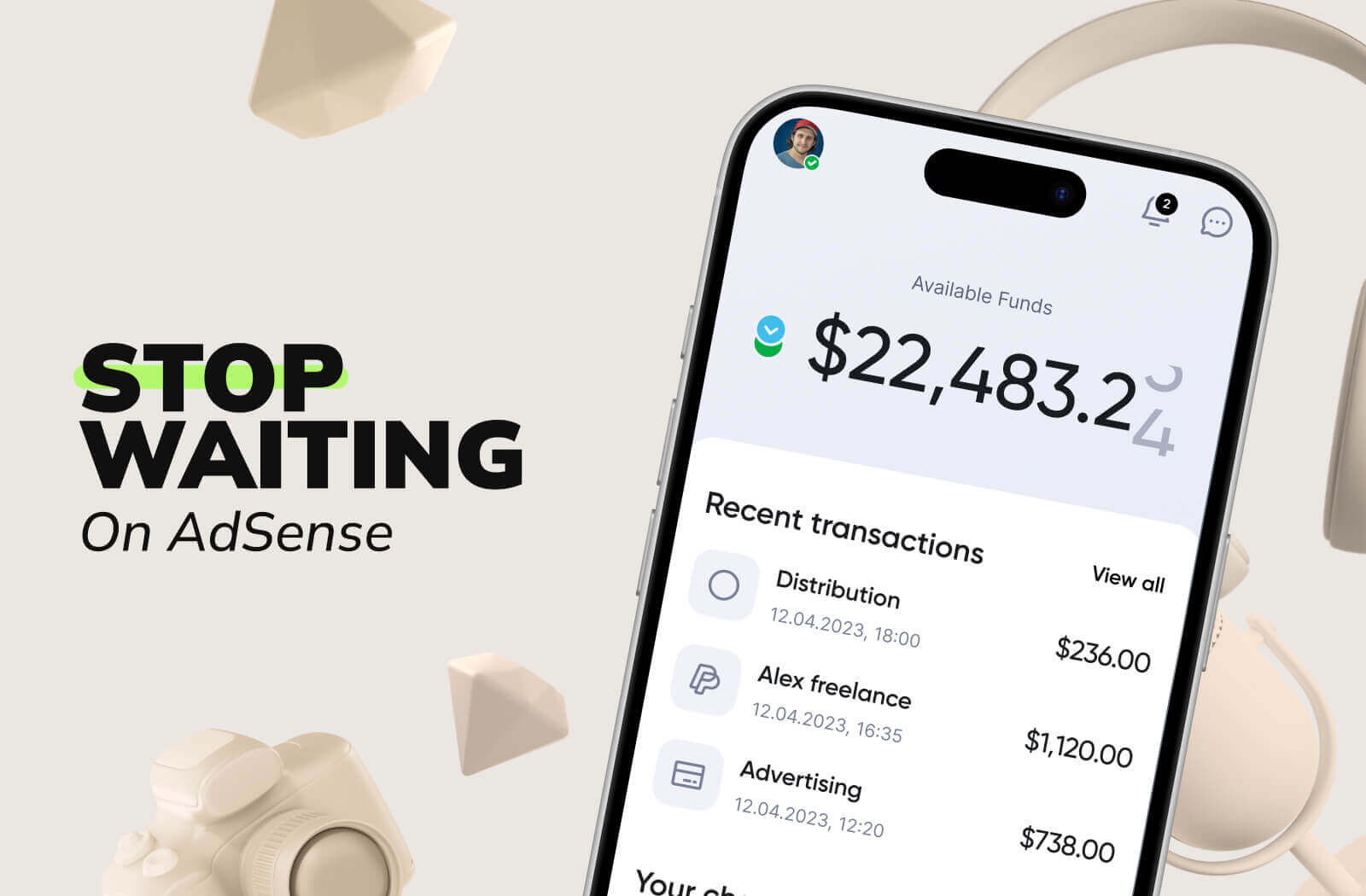
A viral video can hand you reach today and revenue three months from now. That gap is exactly where MilX fits.
With MilX Active Funds, you can access up to 6 months of your future YouTube revenue upfront, in one lump sum. Use it to film while the topic is hot, run ads into the spike, or pay your team without waiting on AdSense.
You stay in control the whole way:
- Automatic repayment: 5% per month from future income, nothing to track.
- Low fees: starting at just 0.33% per day.
- Cash out in 40+ currencies, including crypto.
- 10+ payout methods: bank, card, e-wallet, or crypto.
- Free P2P transfers to editors, designers, and collaborators, fast and fee-free.
Thousands of creators already use MilX to stay ahead without piling on debt. Whether you are scaling a series or just covering your next shoot, you get the freedom to move fast.
Maximize your YouTube monetization with MilX. Get paid upfront, not monthly, and move your money the moment you need it.
👉 Try MilX free and see if your channel qualifies for Active Funds.
Your Post-Viral Playbook
A spike will happen eventually. When it does, protect the channel you spent months building. Run this plan the day a video takes off.
- Check value, not just volume. Put revenue next to views and scan the traffic by geography and format. Low-rate countries or Shorts mean you should manage expectations.
- Point the flood somewhere useful. Update the end screen and pinned comment to your best on-brand video so new viewers meet your core work instead of a dead end.
- Do not pivot your whole channel. One viral topic is not a reason to abandon your niche. Make a follow-up only if it genuinely fits.
- Defend your next upload. Expect softer CTR and retention for a video or two. Keep titles and thumbnails honest so mismatched viewers self-select out instead of clicking and bouncing.
- Watch the right metrics. Track returning viewers and subscriber watch time, not the headline subscriber number. Real growth shows up in who comes back.
- Stabilize your cash flow. Do not spend a spike like it repeats next month. If you need money now to reinvest while the moment is hot, pull future revenue forward on purpose with a tool like MilX instead of guessing when AdSense pays.
- Keep shipping your normal videos. The fastest way to recover is to remind the algorithm and your real audience what your channel is really about.
Treat virality as a guest, not a landlord. Enjoy the visit, keep your house in order, and build the steady growth that pays you every month.