

Topics like trauma, addiction, sexuality, mental health, or crime can spark real conversation and real views. But they also risk triggering YouTube’s age restriction or demonetization. You can cover them, but with the right approach.
What Counts as a “Sensitive Topic” and Age-Restricted?
Age-restricted means your video is blocked from viewers under 18, and that comes with consequences.
When a video is age-restricted:
- It won’t appear in search, home feed, or recommendations;
- It won’t play on most embedded sites.
- It’s not eligible for monetization through most ads.
- Viewers must be logged in to watch.
YouTube applies age restrictions when content includes nudity, graphic violence, adult themes, or unsafe behavior, or if it’s framed in a way that feels too intense for general audiences.
Even if your topic is serious or educational, poor framing, thumbnails, or tone can trigger age restrictions automatically.
So, if it feels like something YouTube wouldn’t show in a school setting, frame it more carefully.
Examples of sensitive topics on YouTube:
- Mental health, depression, suicide;
- Addiction, recovery stories;
- Violence, abuse, or trauma;
- Sexuality, identity, gender transitions;
- Crime, prisons, and dark history;
- Religious or political conflict;
- Medical procedures or body-related content;
- War, protests, or current tragedies.
These topics aren’t banned; many creators cover them successfully. But they can easily get flagged if presented with graphic visuals, shocking language, or no context.
Even if you meet the YouTube monetization requirements for 2025, sensitive framing can still get your video restricted.
So, staying within YouTube monetization rules is about strategic storytelling.
Sensitive content doesn’t mean wrong or bad; it just means it can trigger stricter moderation. Thus, the YouTube content policy on sensitive topics is about keeping content safe for all audiences.
Try to think like an educator, not a provocateur. Your goal is to inform or inspire, not trigger or shock.
What YouTube Actually Says About Sensitive Topics
YouTube does allow sensitive topics, but with rules. The platform uses automated systems and human reviewers to check if content is suitable for ads or needs restrictions like age limits.
The YouTube community guidelines 2025 now emphasize tone, context, and delivery more than ever.
Language Matters - Especially in the Intro
The first 30 seconds can make or break your monetization.
YouTube’s system listens, reads your title, and checks your thumbnail. If it hears or sees the wrong words early on, it flags your video for limited or no ads, even if the rest is clean.
You don’t have to be screaming to get demonetized. One strong word in the wrong spot and the yellow dollar sign appears, cutting your revenue in half or worse.
Here’s what YouTube’s ad policy breaks down:
Eligible for ads:
- Mild words like “hell” or “damn” (even in title or thumbnail);
- Abbreviated/obscured profanity (e.g., “WTF” or bleeped);
- Moderate swearing like “shit” or “bitch,” if occasional and not used in every sentence;
- Most profanity in music or stand-up comedy.
Limited ads:
- Moderate profanity like “shit” used in the title or thumbnail;
- Frequent swearing throughout the video (even if mild);
- Profanity is used in most sentences;
- Music or comedy videos with swear words in the title or visual.
No ads at all:
- Strong profanity like “f*ck” in the title or thumbnail;
- Extreme or hateful slurs of any kind;
- Repeated use of aggressive or offensive language across the whole video.
Your intro sets the tone for YouTube’s algorithm. If you drop strong language right away, you signal “mature audience only,” and most advertisers back off.
Even if you’re passionate or emotional, save raw language for later or skip it entirely.
Example:
- Instead of opening with “This f***ed me up,”
- Start with: “I’ve never shared this before - but it needs to be heard.”
Same emotion, but in a more ad-friendly way.
Violence Needs Context, Not Shock
Violence alone is a red flag for ads. Context is what makes the difference.
YouTube allows violent content only when it serves a clear purpose, such as news reporting, education, documentary storytelling, or artistic narrative.
When violence becomes the focal point, especially blood, injury, or suffering shown without explanation, monetization drops fast.
What stays ad‑friendly:
- Violence explained in a journalistic or educational way;
- Non‑graphic scenes where injury is implied, blurred, or brief;
- Historical or documentary coverage of war or tragedy;
- Gameplay violence that is unedited, non‑graphic, and not front‑loaded;
- Law enforcement or conflict shown with context, not spectacle.
What puts ads at risk:
- Blood, gore, or visible injuries as the main visual hook;
- Graphic moments in thumbnails or the opening seconds;
- Compilations designed to shock rather than explain;
- Raw footage of conflict with no narration or purpose.
How to Talk About Adult Topics Without Losing Monetization
Sexual content is one of YouTube’s biggest monetization risks. Even subtle suggestiveness can trigger age restriction or full demonetization if the platform sees it as sexually gratifying or explicit.
But you can still discuss sexuality, relationships, and identity if it’s framed the right way.
What’s allowed:
- Non-graphic sex education;
- Romantic discussions or kissing scenes;
- LGBTQ+ identity and sexual orientation;
- Medical or scientific info about reproduction;
- Breastfeeding (with a child present);
- Dance or fashion that’s artistic, not arousing.
No nudity, sexual gratification, or suggestive thumbnails or titles. The content must serve a purpose.
What gets flagged or demonetized:
- Sexualized thumbnails, titles, or emojis (e.g. 🍆💦);
- Simulated sex acts or moaning, even in comedy or pranks;
- Explicit talk about fetishes, masturbation, or sex tips;
- Highly revealing clothing paired with sexual behavior;
- Stripping, lap dances, or thrusting that mimics sex acts;
- Sex toys or services, even if not in use.
Even if it’s animated or blurred, if the intent is arousal, it’s not ad-safe.
Shock Can Kill Ads
Disgust, gore, and extreme visuals can cost you monetization in seconds.
Still, if your content is educational, artistic, or documentary in nature, and the visuals support the message (not dominate it), you can stay monetized.
What works:
- Educational medical footage (e.g., pimple popping with expert commentary);
- Accidents without visible injury or distress;
- Cooking content with animal products is shown respectfully;
- Scientific or artistic visuals where shock is not the goal.
What fails:
- Extreme body fluids or tissue shown for views;
- Shock thumbnails with blood, wounds, or raw injuries;
- Eating or preparing live animals just to provoke;
- Accident footage without context or intent.
Dangerous = Demonetized
YouTube doesn’t reward risk. If your video shows dangerous behavior, stunts, or harmful advice even indirectly, it’s likely to get demonetized or age-restricted.
This includes what you say, promote, or imply.
What’s allowed (with context):
- Shows mild stunts in professional, controlled environments;
- Discusses risky challenges without showing the harm;
- Covers viral trends (like “fire challenge”) educationally or critically;
- Features responsible use of substances (e.g., adults drinking, without glamorizing);
- Debunks misinformation with facts.
What gets flagged or cut off:
- Shows pranks that cause emotional or physical distress;
- Includes minor injuries from real accidents, even without blood;
- Features dangerous challenges (e.g., eating glue, drinking chemicals);
- Shares health misinformation, fake cures, or vaccine denial;
- Shows minors in unsafe situations even if it’s just “a joke”.
No Room for Hate - Even in “Jokes”
YouTube has zero tolerance for content that promotes hate, humiliation, or discrimination. If your video targets a group or individual based on race, gender, religion, disability, or identity, you’ll get flagged.
Even comedy and commentary aren't immune. Saying “it’s satire” doesn’t protect you if the tone feels cruel, inflammatory, or dehumanizing.
What’s allowed (with care):
- Educating about discrimination or hate symbols (with proper context);
- Criticizing public figures or views without personal attacks;
- Documentaries that use sensitive terms to explain or condemn hate;
- Comedy or music that addresses identity or culture without mocking it.
What crosses the line:
- Uses slurs, hate speech, or stereotypes even if “censored;”
- Shames, insults, or humiliates a person or group;
- Promotes hate groups or their symbols;
- Denies tragic events or attacks victims;
- Targets protected groups with negative generalizations (e.g., “all X are lazy”);
- Frames ideologies or beliefs as inherently “sick,” “evil,” or “disgusting.”
Drugs Are Risky - And So Is Your Monetization
Talking about drugs on YouTube? Tread carefully. Even if your intent isn’t harmful, content involving illegal substances, drug use, or trafficking can quickly get age-restricted or fully demonetized.
What’s (sometimes) allowed:
- Discusses addiction recovery or drug education;
- Shows fleeting references in music or storytelling;
- Features drug-related missions in video games;
- Covers documentary or news-style reporting on drug policy, history, or trafficking;
- Offers first-person experiences framed around learning or warning, not glamor.
What gets you flagged or cut off:
- Shows or simulates recreational drug use (even in fiction or music);
- Shares tips, reviews, or tutorials related to drugs or paraphernalia;
- Promotes or normalizes cannabis use or dispensary culture;
- Focuses on Drug Trafficking Organizations (DTOs) without educational framing;
- Shows violent DTO imagery, including hostages or executions.
Guns on Camera? Read the Rules First
Firearms, real or fake, are a high-risk category on YouTube. If your video shows sale, modification, or misuse of any weapon, you’re almost guaranteed to lose monetization.
Even airsoft, BB guns, or props can trigger yellow dollar signs if used irresponsibly.
What’s (sometimes) allowed:
- Non-automatic, unmodified guns shown safely (e.g., at a licensed range);
- Educational reviews or gun law discussions;
- Repair, cleaning, or maintenance tutorials (not mods);
- Prop guns are used in scripted content without violence;
- Paintball or airsoft use in a controlled setting with gear.
What gets flagged:
- Shows guns outside controlled environments (like backyards or public spaces);
- Depicts airsoft or BB guns used against people without protection;
- Involves minors handling firearms (even supervised);
- Uses realistic replica guns in risky or threatening ways.
Controversial Doesn’t Mean Unmonetizable
The YouTube age-restricted videos monetization policy allows controversial content, but not if it feels exploitative or chaotic
Topics like abuse, self-harm, suicide, eating disorders, abortion, or euthanasia are considered sensitive because they relate to real human tragedy. That alone can affect ads.
What matters most is focus, detail, and framing.
When ads are still possible:
- Mentions controversial issues briefly and non-graphically;
- Covers them in a news, educational, or prevention-focused way;
- Shares non-descriptive personal opinions or historical context;
- Uses artistic storytelling without explicit visuals or detail.
Where monetization drops:
- Makes the issue the main focus with emotional or descriptive language;
- Includes dramatized scenes of self-harm or abuse;
- Shares detailed survivor stories with graphic or triggering detail;
- Uses thumbnails or titles that visually reference the act itself.
Don’t Exploit Tragedy - Even Unintentionally
YouTube doesn’t allow monetization on content that profits from or trivializes sensitive events. These include war, natural disasters, public health crises, terrorism, or mass violence, even when no graphic imagery is shown.
If your content appears opportunistic, exploitative, or dismissive, monetization is blocked automatically.
What’s allowed (with care):
- Covers the event as part of a documentary, news, or analysis;
- Shares non-graphic discussions with respect and context;
- Helps viewers understand or respond to the situation;
- Avoids emotional manipulation or product sales around the crisis.
What gets fully demonetized:
- Uses keywords related to war, tragedy, or crisis just to drive clicks;
- Includes jokes, satire, or speculation around the event;
- Tries to sell products or services tied to the crisis (unless approved by authorities);
- Feels like it’s profiting from pain without adding value or support.
Real example: War in Ukraine
As of March 23, 2022, YouTube has demonetized all content that exploits, condones, or downplays the war in Ukraine, regardless of tone or visuals.
No Shortcuts, No Monetization
YouTube won’t monetize content that promotes or enables dishonest behavior. That includes anything from trespassing for views to hacking or faking credentials.
If it feels like you're teaching people how to cheat, break rules, or manipulate systems, your revenue disappears.
What’s allowed (with proper framing):
- Shares educational or journalistic coverage of dishonest behavior;
- Shows legal exploring (e.g., abandoned sites with permission);
- Talks about ethical hacking, bug bounties, or pen-testing;
- Features personal stories or documentaries about crime (not glorifying it);
- Includes jailbreaks or software tweaks for personal use.
Kid-Friendly Doesn’t Mean Rule-Free
If your video is labeled as “made for kids”, it must follow strict family-safe standards, or you’ll lose monetization fast.
Even if the visuals are colorful or the title sounds playful, any hidden mature themes, dangerous DIYs, or shocking moments can trigger instant demonetization.
What’s considered safe:
- Encourages positive behavior (e.g., kindness, fitness, healthy habits);
- Includes safe pranks or challenges with no risk of harm;
- Shares DIYs and how-tos using kid-safe tools and ingredients;
- Covers PSAs or education about bullying in a non-traumatizing way;
- Features sports, crafts, storytelling, or learning themes appropriate for all ages.
What gets instantly blocked:
- Shows bullying, cheating, or humiliation;
- Encourages body shaming, extreme diets, or appearance-based comparisons;
- Depicts violence, weapons, or scary imagery (even if fictional);
- Promotes junk food binges, eating non-edibles, or dangerous dares;
- Includes mature themes (e.g., sex, profanity, drug/alcohol references);
- Uses kid-friendly thumbnails to mislead viewers into adult or horror content.
No Ads for Tobacco - Real or Simulated
If your content promotes tobacco or vape products, monetization is off the table.
YouTube treats cigarettes, cigars, vapes, rolling papers, herbal smokes, and nicotine-free devices the same when it comes to ads: all are considered harmful or dangerous acts.
Even casual mentions can limit your revenue.
What gets flagged for limited or no ads:
- Promotes cigarettes, cigars, or chewing tobacco;
- Showcases vape pens, rolling papers, or pipes;
- Features or endorses herbal or nicotine-free smoking alternatives;
- Reviews, recommends, or links to any smoking-related products.
If your content is educational or casual, don’t highlight tobacco use, link to products, or glamorize smoking. It’s treated as a public health risk, and advertisers stay away.
Outrage Isn’t a Monetization Strategy
YouTube doesn’t monetize content that’s designed to insult, provoke, or humiliate.
If your video targets a person or group with mockery, harassment, or conspiracy theories, ad revenue is off the table, no matter how many views you get.
What gets demonetized:
- Shames, insults, or mocks an individual or group;
- Bullies, harass, or intimidate anyone directly or indirectly;
- Spreads conspiracies about tragic events (e.g., claiming victims were actors);
- Includes malicious personal attacks, defamation, or slander.
So, before you hit record, remember this: YouTube cares what you say and how you say it. The same topic can earn or lose monetization depending on the tone, language, and structure you use.
So, age-restricted YouTube monetization is possible, but only if your video adds value through context, structure, and tone.
Let’s break down how to signal safety from the first second with these 4 pieces of advice.
1. Choose the Tone Before You Choose the Topic
On YouTube, how you present a sensitive topic is important. The algorithm analyzes keywords, picks up on tone, language, delivery, and framing.
Many creators get flagged not because their story crosses a line, but because the presentation feels unsafe for advertisers or minors.
You can avoid that.
Tone Signals Safety or Risk
YouTube favors content that feels thoughtful, informative, and intentional. If your video dives into serious issues, your tone should reflect that.
What works:
- Calm narration or interview-style delivery;
- Emotionally aware storytelling;
- Educational, reflective, or journalistic structure;
- Clear disclaimers or context early in the video.
What triggers restriction:
- Emotional intensity that feels overwhelming;
- Rants or raw venting with unfiltered language;
- Overuse of slang, swearing, or triggering phrases;
- Leading with shock, rather than a message.
Language and Delivery: Small Tweaks, Big Difference
Let’s say you’re sharing a personal story about addiction, mental health, or violence. If the title, intro, and voiceover feel raw or chaotic, it can get flagged even if your intent is honest.
But when you slow it down, reframe your title, and offer background from the start, YouTube understands the purpose.
- ❌ Don’t say: “Addict Exposes Everything – Brutal Truth!”
- ✅ Say: “What Recovery Really Feels Like – My Journey Through Addiction.”
The message stays real. But the tone shifts from viral tabloid to responsible storytelling.
Visual Tone Counts Too
Your thumbnail and title are scanned before anything else. Use design and copy that show maturity and purpose.
- ❌ Instead of: Bright red fonts, emojis, censored bars, or clickbait words like “shocking,” “crazy,” or “insane.”
- ✅ Use: Subtle colors, neutral expressions, and words like “story,” “journey,” “experience,” or “reflection.”
Flag Your Own Content (Before YouTube Does)
Use a quick disclaimer in your description or even on-screen:
- “This video contains discussion of sensitive topics for awareness and educational purposes only.”
That one sentence helps both YouTube and your audience understand your intent, and that can keep you monetized.
Fund your content before it blows up
With MilX Active Funds, creators can unlock up to 6 months of their future YouTube income today. You don’t need to wait for the views to land; if your channel qualifies, your funding is ready.
2. Break Heavy Topics Into Ad-Friendly Formats
Sensitive stories need to be structured.
If you jump straight into trauma, profanity, or graphic moments, YouTube is more likely to restrict or demonetize your content.
But if you guide the viewer with balance and pacing, you stay within policy and keep monetization.
Segment Your Message Like a Documentary
Think of your video like a three-act story. Let the audience (and YouTube) settle into context before diving deeper.
Suggested format:
- Intro – Provide background and tone. Let viewers know what’s coming. Keep it neutral and calm.
- Middle – Explore the difficult topic in detail, but stay focused. Avoid shock for shock’s sake.
- End – Offer reflection, advice, or links to helpful resources. Leave viewers with value, not distress.
This approach builds trust and helps you avoid the “age-restricted” label.
Chapters = Clarity for Viewers and YouTube
Using YouTube chapters not only improves viewer retention, but it also signals structure to the algorithm. You show that your content is intentional, not chaotic.
Example: A video titled “The Dark Side of Fame” could follow this structure:
- 00:00 – Intro: What Fame Looks Like Online
- 02:30 – Behind the Scenes: Pressure, Anxiety, and Burnout
- 06:10 – What Helps: Support Systems and Recovery Tools
Even if your content touches on pain, it’s framed in a way that makes it suitable for a wider audience and safer for advertisers.
Avoid Front-Loading Emotional Triggers
Creators often think: “If I don’t hook viewers in the first 30 seconds, they’ll leave.”
But for sensitive topics, opening with emotional explosions or disturbing visuals will hurt you.
You can hook with emotion: do it with calm urgency, not chaos. Start with a question, a soft statement, or a visual cue that invites curiosity without causing distress.
✅ Better opening: “I want to talk about something I’ve never shared before because I think it could help someone going through the same thing.”

3. Don't Let the Thumbnail Ruin Your Payout
You could spend hours editing, scripting, and filming, but one bad thumbnail can kill your monetization in seconds.
Before anyone watches your video, YouTube scans your title and thumbnail for signs of risk. That’s where most creators get hit. And they often don’t even realize it.
Avoid Visual Red Flags
The algorithm doesn’t need to play your video to flag it. If your thumbnail includes graphic, violent, or sexually suggestive elements, it might get age-restricted or demonetized instantly.
Avoid using:
- Blood, bruises, or medical imagery;
- Weapons, handcuffs, or explicit body parts;
- Shock faces, pixelated areas, or emojis like 🔞;
- Text overlays with words like “uncensored,” “wild,” “exposed,” or “insane.”
Even if your video is clean, these signals in the thumbnail can cost you revenue.
Subtle Sells (and Earns)
Your content might be intense. But your thumbnail should feel responsible, reflective, and intentional. Think BBC doc, not viral outrage.
Tips:
- Use neutral backgrounds and soft colors;
- Choose screenshots with calm expressions;
- Add simple text like “true story,” “what happened,” or “real talk.”
It’s about packaging it in a way YouTube understands and supports.
Keep your money moving, your way
Want to send your YouTube income to a bank, wallet, or crypto without delay? MilX lets creators access their payouts in 40+ currencies, with full control.
4. Turn Engagement Into Evergreen Income
Ad revenue isn’t the only way to monetize sensitive content, and often, it’s not the most powerful.
When you speak on real struggles, grief, recovery, identity, and trauma, your audience listens differently. They relate. That connection creates loyalty. And loyalty opens the door to income that lasts longer than any CPM spike.
👉 Explore how to earn steady revenue all year round.
Give Value Beyond the Video
Your story can be the starting point. But what happens after someone watches? If they felt seen or helped, many will want to go further.
Here’s how to build on that:
- Create a digital product - a journal, checklist, guide, or resource list tied to your video’s theme.
- Offer a private space - Discord group, support Zooms, or a safe newsletter.
- Recommend tools or books - through affiliate links with context (always disclose).
- Accept direct support - with Patreon tiers, Ko-fi, or “thank you” links for fans who value your voice.
Monetize with Meaning
Let’s say you upload a video titled “What Daily Journaling Taught Me About Mental Health.” That’s real, emotional, and valuable.
You can add:
- A downloadable called “Small Rituals for Healing.”
- A private email list for people navigating grief;
- Links to grief support books or therapy directories;
- A donation link with a message: “If this helped you, help me keep creating.”
This turns your personal experience into evergreen income and helps people long after the views slow down.
Sensitive topics, when shared with care, can build deep trust. And trust is the strongest monetization tool there is.
Cash Out Without Stress with MilX
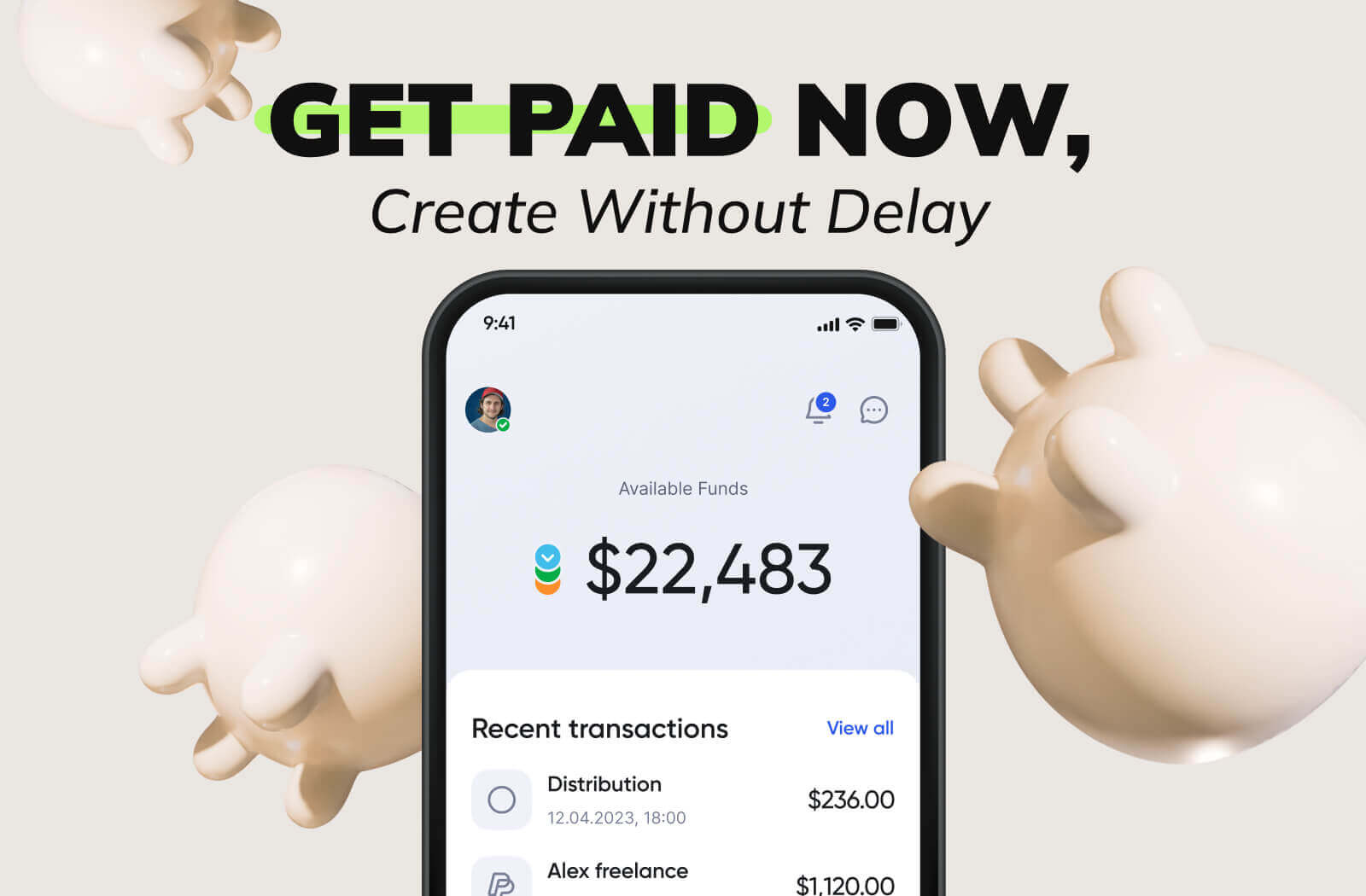
Even if you follow every guideline, YouTube pays you weeks later. That delay can slow you down, especially when your next video needs budget now.
That’s where MilX comes in.
MilX gives creators access to future YouTube income, upfront.
👉 Learn more about the reasons to partner with MilX for YouTube creators.
Need to cover your next shoot, hire an editor, or invest in gear? MilX lets you withdraw in 40+ currencies, bank, card, wallet, or crypto, and repay later, automatically from your earnings.
Start free, stay in control, and move faster without waiting on AdSense.