

So how do you protect your content, avoid demonetization, and stay YouTube-friendly, without killing your creativity?
Let’s break it down.
Understand the Yellow Icon (Before It Strikes)
That little yellow dollar sign? It’s more than just a warning. It’s your income - paused.
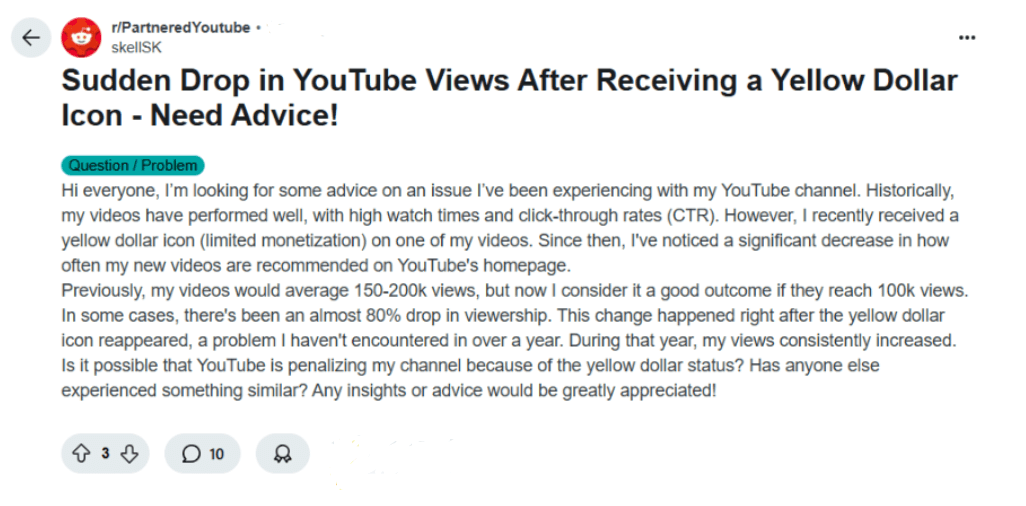
The dreaded yellow icon on YouTube means limited or no ad revenue, usually because your video isn’t considered advertiser-friendly.
And the worst part? It can happen even if your content seems “fine” to you.
👉 Learn about the monetization icon guide for YouTube Studio.
YouTube doesn’t just rely on one method to check your videos. Their AI systems scan uploads instantly, flagging potential issues before a human ever sees them.
If the algorithm detects risky signals - boom, your monetization gets slapped with yellow.
Sometimes a human reviewer steps in later. But by then, damage is done: fewer views, no ads, and your momentum drops.
👉 Find more about YouTube rules regarding monetizable content and yellow monetization badges.
So if you want to avoid demonetization and keep the green dollar sign, here’s what definitely puts your video at risk:
- Harsh or frequent profanity - especially in the first 30 seconds;
- Graphic violence or disturbing content, even in games or news recaps;
- Nudity or sexually suggestive visuals, even if brief or blurred;
- Offensive jokes, hate speech, or controversial opinions;
- Clickbait thumbnails or misleading metadata;
- Copyrighted music, footage, or memes without proper usage rights.
- Misinformation, scams, elections, crypto/forex fraud, and kid-sensitive content (huge risk zone).
Even outdated practices, like using old tags or edgy thumbnails from past trends, can trip today’s filters.
Remember that, YouTube’s systems judge your video from the outside-in. That means your title, thumbnail, and metadata are just as important as the video itself. If the packaging looks problematic, the platform won’t bother watching the rest.
👉 Any special YouTube demonetization rules? Just follow YouTube channel monetization policies.

Don’t Wait for Ad Revenue to Catch Up
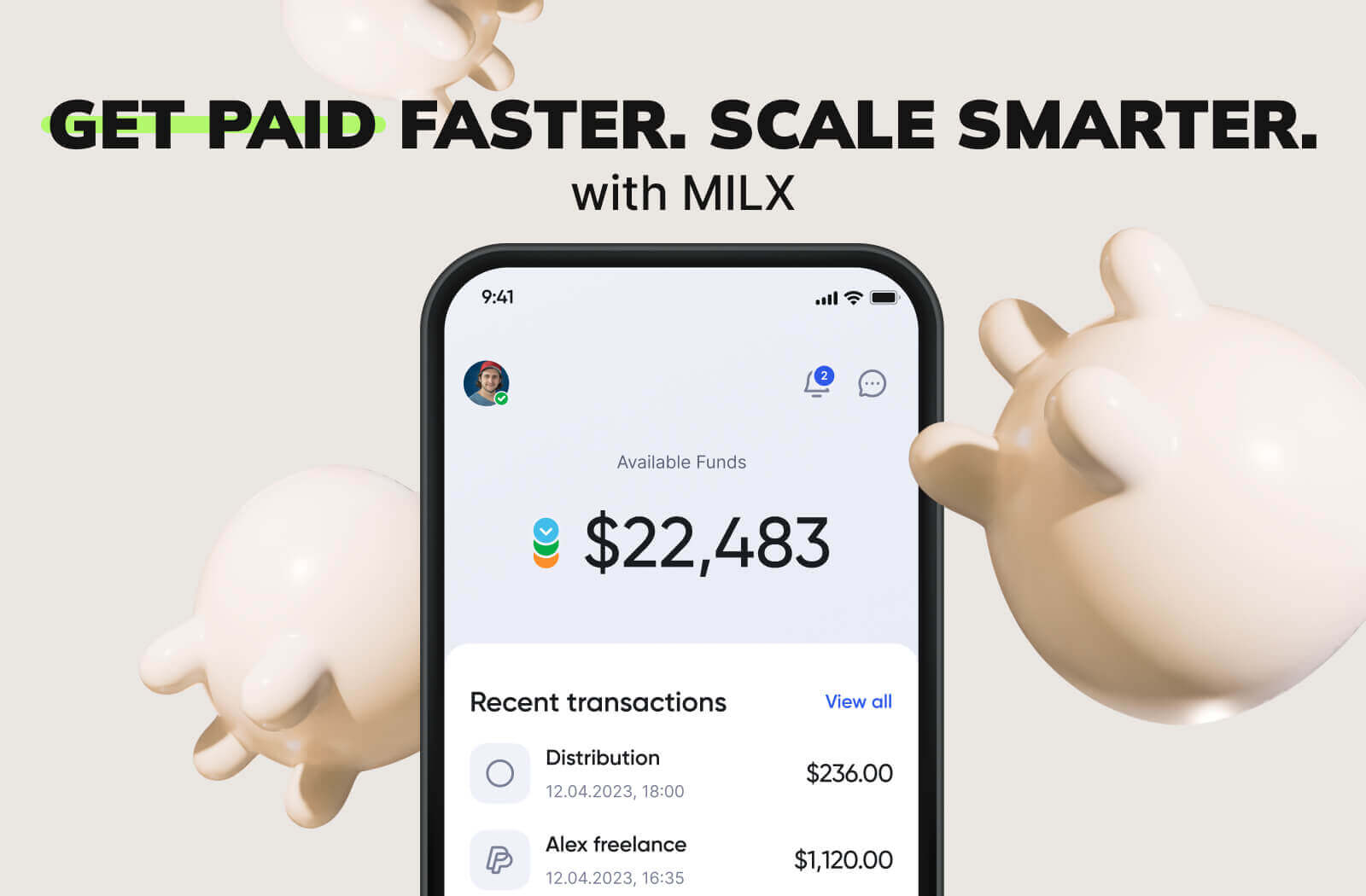
Need funds now? Unlock up to 6 months of your future YouTube income with MilX Active Funds. No stress. No delay.
Language: Keep It Clean, Keep It Monetized
You can drop an F-bomb in real life and walk away.
On YouTube? You’re walking straight into demonetization.
The first 30 seconds of your video are critical. That’s where the algorithm listens closest.
If it catches heavy profanity early on, or even scattered throughout, it could trigger the yellow icon on YouTube, no matter how good the content is.
And no, YouTube doesn't care if it’s "just one word" or "said jokingly." When it comes to monetization, context doesn’t always save you.
How to avoid demonetization from language issues:
- Use mild or clean language whenever possible. Words like “damn” or “hell” are tolerated, but excessive swearing (especially F-, S-, and B-words) will almost always hurt your ad eligibility.
- Bleep it out. If you slip up while filming, fix it in post. Add a bleep or silence the audio. YouTube doesn’t penalize censorship, you actually get credit for it.
- Clean your metadata too. Swear words in titles, tags, or descriptions are just as risky as saying them aloud. Keep it advertiser-safe.
- Use disclaimers if your content borders on edgy, but keep in mind that disclaimers don’t override policy violations. They just show intent.
- Don’t recycle clips or re-upload without real transformation (commentary, edits, mashups).
- Avoid clickbait that misleads, ALL CAPS shock words (murder, blood, kill, insane, naked, scandal) are instant red flags.
- Fake “get rich quick” methods, shady crypto/forex promos, and medical miracle cures are demonetization traps.
- If you publish for kids: avoid risky words (pee, poop, naked), scary or grotesque visuals, hypnotic/repetitive loops. Thumbnails with bulging eyes, distorted faces, or shock factor are also high risk. YouTube applies stricter filters here than in any other niche.
Example: One gaming creator lost monetization on over 40 videos due to uncontrolled rage moments and casual profanity. After re-uploading the same content, this time with profanity filters and safe intros, they got their monetization back.
Quick fix tip:
If your content is high-energy or emotional (think gaming, commentary, reactions), create a "safe mode" version just for monetization. Save the unfiltered version for Patreon or memberships.
👉 Discover about 7 common mistakes content creators do, when planning their channel monetization strategy.
Violence: Show Context, Not Gore
YouTube doesn’t hate violence. It hates how you show it.
Gaming clips, news footage, reactions, they all come with intense moments. But if your video shows gore without context, you're heading straight for a yellow icon on YouTube.
The line between ad-safe and demonetized is thinner than you think. It’s not just blood or explosions, it’s tone, presentation, and even thumbnails.
How to stay monetized and YouTube-friendly with violent content:
- Blur, crop, or cut the gory parts. Got a brutal finisher in a game? Crop the camera or add a quick visual effect to tone it down.
- Add warnings. A simple voiceover like “Warning: Some viewers may find this disturbing” gives your audience, and YouTube’s AI, a heads-up.
- Keep your tone factual or neutral. If you’re covering real-world events or reacting to something intense, avoid jokes, hype, or glorification.
- Use age restrictions when needed. It’s better to lose a few views than to lose monetization across your entire channel.
Example: A reaction creator got flagged repeatedly for raw footage of public fights. Once they started adding context, commentary, and soft filters, their videos became monetizable again, without losing views.
YouTube makes exceptions for documentary or educational content, but only if the violence is clearly presented for learning or reporting, not shock value.
If it looks like you're showing violence for entertainment, that’s when monetization gets stripped.
Golden rule: If a brand wouldn’t want their ad running next to the scene, YouTube won’t let it happen either.
👉 Learn about why your YouTube channel isn’t making money and how to fix it.
Metadata & Thumbnails: Tell the Truth
Want to avoid demonetization fast? Stop trying to trick the system.
Your title, tags, thumbnail, and description aren’t just for views, they’re part of how YouTube decides if your video is safe for ads.
Clickbait might get clicks. But it also gets flagged. Fast.
Misleading metadata, whether it’s over-the-top drama, fake “NSFW” hooks, or unrelated tags, kills monetization even before your video gets a chance to perform.
Here’s how to stay on YouTube-friendly content (and honest):
- Use clear, accurate titles. If your video is about “Top 5 Horror Games,” don’t throw in “banned footage” just to sound edgy.
- Design thumbnails that reflect your content. Don’t add fake blood, cleavage, or shocked faces unless they actually happen in the video.
- Tag responsibly. Only include keywords that are directly relevant to your content. Don’t tag viral topics just to boost SEO, you’ll confuse the algorithm and risk a yellow icon.
👉 Learn more about how to use SEO effectively to increase YouTube revenue.
Example: One creator used “NSFW,” “uncensored,” and “shocking twist” in almost every upload, regardless of the topic. Result? Over 50% of videos were demonetized, and recommendations dropped.
YouTube’s systems scan metadata before watching the content itself. If your title + thumbnail combo suggests something risky, even a perfectly clean video can get flagged.
Think of metadata like a movie poster. It should tease the truth, not lie to get people inside.
Be honest. Be relevant. Be smart.
It’s not just about protecting your ad revenue. It’s about building real trust with your audience and the platform.

Hate Speech: Zero Tolerance
YouTube doesn’t do second chances here.
Whether it’s a joke, a quote, or a “hot take,” hate speech = instant demonetization.
No context. No leniency. No room for debate.
The platform has one clear rule: protect advertisers and communities at all costs.
And the moment your content crosses the line, even slightly, your monetization is gone, and your channel could be next.
What YouTube flags as hate speech:
- Insults or slurs based on race, religion, gender, sexuality, or nationality;
- Mocking cultures, disabilities, or accents, even subtly;
- Spreading harmful stereotypes or false claims about a group;
- Quoting offensive material without proper context or disclaimers.
And yes, even humor doesn’t protect you. Satire or sarcasm without clear framing can still be flagged.
Example: A commentary channel casually joked about a trending controversy using a racial stereotype, even though it was meant as “irony.” The result? Three videos demonetized and one removed entirely.
How to avoid demonetization here:
- Respect everyone. Always. Even edgy content can be respectful if handled with thought.
- Add disclaimers or context if referencing sensitive topics. Make your intent clear.
- Avoid controversial topics unless you’re truly equipped to handle them with nuance.
- Educate yourself. YouTube’s hate speech policy is public, read it. Stay updated.
If your content divides, targets, or disrespects, you lose more than monetization.
You lose reach. You lose trust. You lose your platform.
Inclusivity isn't just safe - it’s smart.
Create content that welcomes everyone, and you’ll grow faster, earn more, and never have to fear a policy strike.
Copyright: Know the Rules
“It’s just a meme.”
“It’s fair use.”
“Everyone’s doing it.”
These are the most common last words before a video gets demonetized, or worse, taken down.
Copyright is serious business on YouTube, and the platform doesn’t play around. Even small misuses, like a few seconds of a song or a borrowed clip, can trigger a yellow icon, a content ID claim, or a full-blown strike.
👉 Learn about how Content ID works.
Reused content is one of the most common, and most ignored, demonetization triggers. If you're using stuff you don't own, and you're not adding real value, you're at risk. Period.
How to avoid demonetization from copyright issues:
- Use royalty-free audio and video. Stick to safe sources like the YouTube Audio Library, Epidemic Sound, Artlist, or other licensed libraries.
- Add transformation. Just reposting a clip isn’t enough. Add your own voiceover, commentary, analysis, or visual edits to turn it into original content.
- Always give credit. Mention the original source in your video description, even if you think it’s fair use. Transparency matters.
- Check the “reused content” section under Monetization > Channel Status in YouTube Studio to see if your channel has any reuse issues flagged.
👉 Check out how to set up Content ID for your original videos.
Example: A shorts creator was using trending TikTok audio remixes that weren’t cleared. Their whole monetization got disabled due to "reused content" violations, despite having millions of views.
👉 Read more about YouTube monetization and reused music: copyright claims, revenue limits, and demonetization risks.
Quick fix tip:
If your channel uses compilations, reactions, or memes, create an internal checklist:
- Did I add value?
- Is this transformative?
- Is the source credited?
- Is the clip short and relevant?
- Would I want someone to use my content this way?
If the answer to any of those is “no,” you’re playing with fire.
Want to stay monetized? Create content you own, transform, or license.
Borrow smart, or build from scratch. Either way, keep your rights clean.
Your Earnings, Your Rules
Get paid when you want, how you want. Send your YouTube income to a bank, card, wallet, or even crypto. MilX makes it effortless, flexible, and fast.
Real Case: Ignoring Warnings = Monetization Gone
One of our creators ran a network of large channels. They had repeated issues:
- reused content;
- unsafe thumbnails;
- misleading metadata.
They ignored warnings and playbooks from their YouTube Certified partner AIR-Media Tech.
Result: Two major channels were demonetized in 24 hours.
After that, they finally acted:
- Cleaned metadata;
- Removed flagged uploads;
- Rebuilt upload workflows;
- Implemented review systems.
The comeback?
- +89.7% more views;
- +30.5% more revenue;
- $21.9K earned back in just 5 weeks.
Lesson: You can recover, but only if you act fast.
👉 Discover more about what to do when YouTube payments are delayed or missing.
Already Yellow? How to Fight Back
Once the yellow icon hits, don’t panic. Fix smart.
- Run diagnosis first. In Studio, check the reason: title, thumbnail, content, or rules. Don’t guess, find the trigger.
- Make quick edits. Swap out thumbnails, rewrite titles/descriptions, trim problem segments. Small tweaks can flip yellow back to green.
- Fix copyright issues. Delete unlicensed music or visuals and replace with safe, licensed sources.
- Re-upload only if you must. Big edits? New upload is fine. But too many re-uploads look suspicious.
- Appeal when ready. If you’re confident the video is compliant, hit “Request Review.” ⚠️ Never delete during appeal, YouTube reads it as hiding evidence, and your case weakens instantly.
- Kids’ content = stricter filters. Clean up previews, titles, and storylines to fit “Made for Kids” rules.
- Set your red lines. Define no-go zones for titles, thumbnails, and edits before publishing. Prevention beats recovery every time.
Treat every appeal as a chance to prove reliability. Fix, appeal, wait. Don’t reset the clock by nuking your video.
Power Up Your Cash Flow with MilX
You’ve got content. You’ve got views. Now take control of your cash flow.
Why creators love MilX:
- Access up to 6 months of future YouTube income;
- Automatic 5% monthly repayment, no headaches;
- Withdraw in 40+ currencies;
- Send fast, free transfers to your team;
- No credit checks, no paperwork.
Want to scale, hire, or launch a new series?
MilX gives you the financial flexibility to move fast, without waiting for YouTube’s monthly payout.
Over 3,100 creators already use MilX to stay ahead. Try the free app and see if your channel qualifies.