


Ad-blockers remove your ads, your earnings, and even your algorithm momentum. So, if your revenue feels lower than it should be, this might be the silent culprit.
In this blog, we’ll break down how ad-blockers affect YouTube monetization, what you can do to protect your channel.
The Real Impact of Ad-Blockers on Creator Revenue
Watch time drives your earnings, but only if ads are shown. Ad-blockers silently cut into your revenue: your video gets viewed, but skips the payout.
What Ad-Blockers Actually Do
An ad-blocker is a browser extension or app that stops ads from showing up, on websites, in videos, and yes, on YouTube.
People use them to skip distractions, speed up loading times, avoid repetitive ads, and protect their privacy.
- For viewers, it feels cleaner.
- For creators? It means fewer ads shown… and less money earned.
Pre-rolls, mid-rolls, banner overlays? Gone before they even load. Some extensions even hide sponsored segments that brands paid to place.
For creators, that’s a double punch:
- No ad = no revenue.
- No impression = no data.
Ad-blocked views are like ghosts, they watch your content, but leave zero trace.
And the more ghost views you get, the lower your YouTube CPM tends to slide.
👉 Explore more about the key metrics for YouTube monetization.
Turn Passive into Predictable
Get paid before the views roll in. MilX lets you unlock up to 6 months of YouTube monetization today.
How Much Revenue Creators Lose Because of Ad-Blockers
Most creators lose 10–40% of their ad revenue without even knowing it. If your audience skews desktop-heavy, that loss can hit 60%.
Quick math:
If you're making $3,000 a month from ads, a 25% loss means $750… gone. Just less money in your payout.
YouTube doesn’t show these losses. There’s no “ad-blocked” column in Analytics. You just keep uploading… and quietly earning less.
Factors That Influence the Impact
Some creators lose a little, but others lose a lot. It all depends on a few key factors that quietly shape how hard ad-blockers hit your revenue.
1. Your Audience’s Devices
Ad-blockers love desktops (browsers Chrome, Firefox, Edge, and Safari).
Why? Here are the reasons:
- Extensions are everywhere: Chrome and Firefox make it easy to install powerful blockers in seconds.
- Tech-savvy users: Desktop viewers are more likely to tweak settings, block trackers, and take control of what they see.
- Security matters: Even cybersecurity experts recommend ad-blockers to avoid malware hidden in fake ads.
Meanwhile, most mobile apps, including YouTube’s, don’t support them. Why so? Because they’re locked ecosystems.
Unlike desktop browsers, most mobile apps don’t allow third-party extensions. You can’t just install an ad-blocker in the YouTube app, it’s built to protect its ad revenue stream.
On top of that, iOS and Android have stricter controls that limit system-wide blockers.
But on laptops and browsers? They're everywhere.
So if your audience leans techy and tunes in from desktops, there’s a good chance your ads never show.
And when the ads don’t show, your CPM drops.
2. Viewer Location
Where your audience lives can seriously affect how much you earn.
In countries like Germany, France, and the US, ad-blocker usage is sky-high. And that’s bad news for your bottom line.
If a big portion of your traffic comes from these regions, you’ll see the views, but sometimes your payout is as high as you expect.
YouTube ads get blocked, your impressions vanish, and your CPM drops, even when your content performs well in regions with high CPM.
This is how ad-blockers and YouTube revenue collide. You keep uploading, engagement looks solid… but your actual income lags behind. That invisible gap is YouTube ad revenue loss in real time.
👉 Learn more about the top countries with the highest CPM rate.
3. Your Niche
Your niche shapes your income.
Gaming, tech, and finance audiences are some of the most ad-blocker-savvy on the internet. These viewers know how to block every pop-up, banner, and pre-roll.
So if you're in one of these spaces, expect a higher risk of YouTube ads being blocked and a bigger cut of your income disappearing.
As a result, you get fewer paid impressions, lower retention signals, and a noticeable YouTube CPM drop, even when your content hits hard.
Meanwhile, creators in lifestyle, beauty, or entertainment niches generally take less of a hit. Their audiences are less likely to block ads, which means more revenue per view.
So, two creators, same views, totally different payouts. It’s a reminder of how ad-blockers affect YouTube monetization in ways that aren't visible in your dashboard but show up in your wallet.
👉 Discover the most profitable YouTube niches.
Your Money, Your Choice
Send your YouTube income to 40+ currencies. Bank, card, e-wallet, or crypto, it’s your call. With MilX, you’re always in control.
What YouTube Is Doing About Ad-Blockers
YouTube goes all-in on stopping ad-blockers.
- 2023: YouTube used pop-ups to tell people to stop using ad blockers.
- Early 2024: They tightened the screws, targeting third-party apps that sidestep ads entirely. Many got blocked or banned for violating the Terms of Service.
- June 2024: YouTube launched server-side ad insertion (SSAI). Instead of loading ads in the browser, they’re now baked directly into the video stream. Result? Ad-blockers couldn’t detect or remove them, because they’re part of the video itself.
- Mid-2025: Top-tier blockers like uBlock Origin and Brave? Even they started failing on YouTube after platform updates rolled out globally. Reddit lit up with users saying their favorite blockers just… stopped working.
But ad-blocker developers don’t quit. They’re constantly building patches, scripts, and workarounds.
And YouTube keeps patching over those patches.
What Creators Can Do to Protect Their Income
Ad-blockers aren’t going away, but your income doesn’t have to suffer. Here’s how smart creators can protect their revenue and stay ahead of the algorithm.
Encourage YouTube Premium
Ad-blockers block ads. Premium skips them, but still pays you.
That’s the win-win.
So, YouTube Premium offers the perfect workaround: no ads for the viewer, steady revenue for you.
When a Premium user watches your content, you still get paid, based on watch time.
It’s cleaner, consistent, and 100% immune to ad-blockers. That’s why it’s one of the best defenses against YouTube ad revenue loss.
Right now, YouTube Premium has over 100 million subscribers worldwide (and counting).
That’s why the more of your audience that switches to Premium, the smaller the creator income loss from ad-blockers.
And yes, you can smoothly nudge them. BUT, make it feel like a helpful tip, not a sales pitch. Here’s how:
- Add it to your video description:
Drop a quick line below your content: “Using an ad-blocker? Try YouTube Premium, it skips the ads, but still supports this channel.”
- Pin a top comment:
Something simple like: “Want to support the channel without watching ads? Premium helps, every watch still pays.”
- Say it in your video:
A casual 3–5 second mention works wonders.
“If you’re watching on Premium - thank you! That support goes a long way.” Or:
“Hate ads? Try Premium, same great videos, and it still helps creators like me.”
- Use your Community tab:
Post a quick poll or reminder: “Do you use Premium? Just a heads-up, it actually supports us even more than regular ad views.”
👉Learn more about what creators need to know about YouTube Premium.
Secure Brand Sponsorships
Ad-blockers can’t touch your own sponsorships.
When you embed sponsored messages directly into your content, they can’t be skipped, filtered, or hidden. They show up for every viewer, ad-blocker or not.
This makes sponsorships one of the smartest ways to offset YouTube ad revenue loss.
You control the deal:
- The price - set your own rates.
- The placement - early shoutout, mid-roll, pinned link, or call-to-action.
- The message - make it match your style and tone so it blends seamlessly.
So, sponsorships create a reliable income that ad-blockers can’t touch. They also open the door to long-term brand partnerships, affiliate deals, and other monetization strategies outside of YouTube’s ecosystem.
In a world where YouTube ads get blocked, brand deals are your direct line to stability, and your audience still gets the content they came for.
👉 Explore how to get brands to sponsor you again and again.
Build Revenue Outside Ads
Ad-blockers can’t block loyalty.
That’s why memberships, merch, and platforms like Patreon still shine, they rely on connection, not impressions.
These income streams are completely immune to ad-blockers and untouched by CPM drops. Whether you’ve got 1,000 fans or 100,000, a small percentage of loyal supporters can drive serious revenue.
Why it works:
- Memberships offer perks that deepen engagement - exclusive videos, behind-the-scenes content, or private chats.
- Merch turns fans into walking billboards, but only if it’s something they actually want to wear.
- Patreon builds recurring support you can count on, even during CPM slumps.
These strategies protect your monetization, even when YouTube ads are blocked or algorithm changes hit.
👉 Learn more about YouTube Memberships and Patreon.
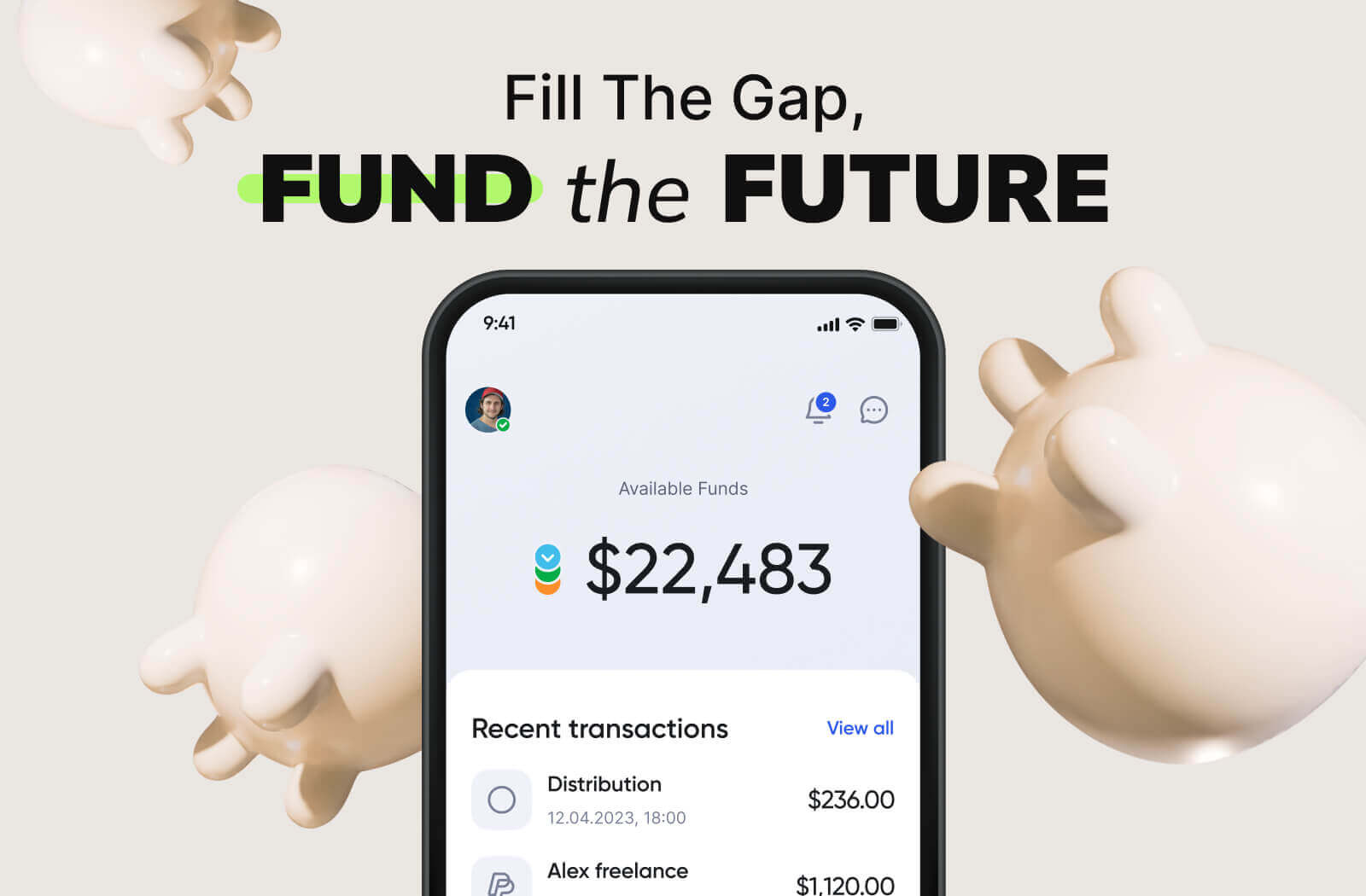
How MilX Helps Creators Stabilize Earnings
With MilX Active Funds, you can access your future income upfront, up to 6 months ahead. No waiting for AdSense payouts.
Minimal fees (from just 0.33% per day), no credit checks, and automatic repayment from future earnings.
Withdraw in 40+ currencies. Pay your editor, buy new gear, launch your next video, instantly.
And yes, it’s built for creators. Over 3,100 already use it.
👉 Need flexibility? MilX makes it easy to move your money your way. Start for free and see if your channel qualifies.